Table of Contents (11 sections)
Effective communication is a cornerstone of success in professional team sports. Whether on the basketball court, soccer field, or baseball diamond, the interplay between team members can significantly influence performance outcomes. In this article, we will explore five crucial team communication strategies that can help refine interactions among team members, fostering a more collaborative and efficient environment.
1. Establish Clear Communication Channels
Establishing clear communication channels within a sports team is fundamental for efficient teamwork. Players and coaches should agree on tools and methods for communication, such as using apps for instant messaging or platforms for video analysis post-game. For instance, utilizing platforms like Slack or Microsoft Teams can streamline discussions and make it easier to share feedback on performance.
Moreover, regular team meetings can help ensure all team members are informed and engaged. As noted in a study by the Sport and Exercise Psychology Journal, teams with established communication protocols see improved efficiency and enhanced morale. By clearly defining roles and communication preferences, teams can avoid misunderstandings and remain focused on their goals.
2. Foster Open Dialogue
Encouraging open dialogue among team members is vital for addressing concerns and ideas freely. Creating an environment where players feel safe to express their thoughts allows for healthier dynamics. Using techniques such as 'circle time', where players take turns sharing their feelings and experiences, can greatly enhance empathy and understanding within the team.
This strategy not only addresses conflicts constructively but also allows players to share insights that may improve overall team synergy. A study published by Psychology of Sport and Exercise emphasizes that teams practicing open communication tend to perform better under pressure. By fostering this environment, teams can unlock their full potential.
3. Use Nonverbal Communication Effectively
Understanding and utilizing nonverbal communication can enhance interactions among team members. Body language, facial expressions, and gestures often communicate much more than words can express. For example, a supportive pat on the back or eye contact can build trust and motivation among teammates during stressful match moments.
Nonverbal cues can also be crucial during games when verbal communication becomes difficult due to noise or time constraints. Players can develop signals or signs that communicate strategies or alerts quickly without disrupting the flow of play. Research from the Journal of Applied Sport Psychology highlights that effective nonverbal communication can lead to improved performance by reinforcing messages delivered verbally.
4. Implement Feedback Mechanisms
Regularly providing and requesting feedback cultivates an atmosphere of growth and development. Athletes should be encouraged to offer constructive feedback to each other as well as to coaches. This could be facilitated through video analysis sessions, where players review game footage together, discussing strengths and areas for improvement.
Additionally, structured feedback forms can standardize the process, making it easier to focus on specific aspects of performance. Studies indicate that teams that regularly engage in feedback activities report higher satisfaction and group cohesion. As suggested by Deloitte’s Human Capital Trends, continuous feedback is critical for fostering long-term success in any team setting.
5. Engage in Team-Building Activities
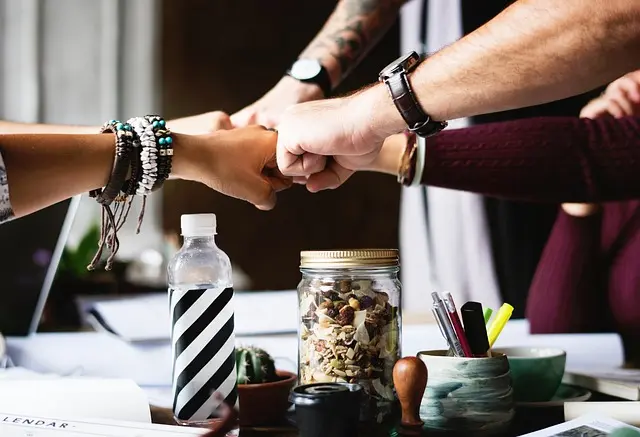
Team-building activities are an excellent way to strengthen relationships and improve communication among members. Activities both on and off the field, such as workshops, retreats, or casual outings, help in fostering camaraderie and trust. For instance, activities like obstacle courses or team sports can teach mutual reliance and complementarity.
Participating in these experiences can break down social barriers, allowing players from different backgrounds to connect and support each other. Successful teams often report that investing time in these activities translates directly into improved collaboration during practice and competition. According to the American Psychological Association, teams that engage in such activities exhibit not only higher performance levels but also lower rates of conflict.
📺 Resource Video
> 📺 For more insights: Enhancing Team Communication in Sports, a comprehensive analysis of how to foster better communication among team members. Look for it on YouTube: team communication in sports.
Comparison Table of Team Communication Strategies
| Strategy | Benefits | Tools/Methods | Effectiveness |
|---|---|---|---|
| Establish Clear Channels | Reduces confusion, enhances efficiency | Slack, Microsoft Teams | High |
| Foster Open Dialogue | Encourages empathy, resolves conflicts | Circle time, team meetings | Very High |
| Use Nonverbal Communication | Enriches interactions, quick messaging | Sign language, body language | Moderate |
| Implement Feedback Mechanisms | Promotes growth and learning | Feedback forms, video analysis | High |
| Engage in Team-Building | Strengthens relationships | Outdoor activities, workshops | Very High |
Glossary
| Term | Definition |
|---|---|
| Team Communication | The exchange of information among members to enhance collaboration. |
| Feedback Mechanisms | Processes for providing and receiving evaluations in a professional context. |
| Nonverbal Communication | Communication without words, utilizing body language and facial expressions. |
Checklist of Effective Team Communication Strategies
- [ ] Establish clear communication channels.
- [ ] Foster an open dialogue environment.
- [ ] Implement effective nonverbal communications.
- [ ] Encourage feedback mechanisms.
- [ ] Organize team-building activities.
Conclusion
In conclusion, effective team communication strategies are pivotal in professional sports. By establishing clear communication channels, encouraging open dialogue, leveraging nonverbal communication, implementing structured feedback, and engaging in team-building activities, teams can greatly enhance their dynamics and overall performance.
For teams looking to improve their communication methods, embracing these strategies is a step towards not only better performance but also a more cohesive team atmosphere. Start applying these strategies today and watch your team dynamics transform for the better!
📺 Pour aller plus loin : team communication strategies in sports sur YouTube