Table of Contents (14 sections)
In the highly competitive arena of professional sports, athletes are required to possess not only physical prowess but also a diverse set of skills for pro team athletes. Mastering these skills can significantly enhance an athlete's performance, teamwork, and career longevity. Here’s a breakdown of the top ten skills that every pro team athlete should strive to develop.
1. Teamwork and Collaboration
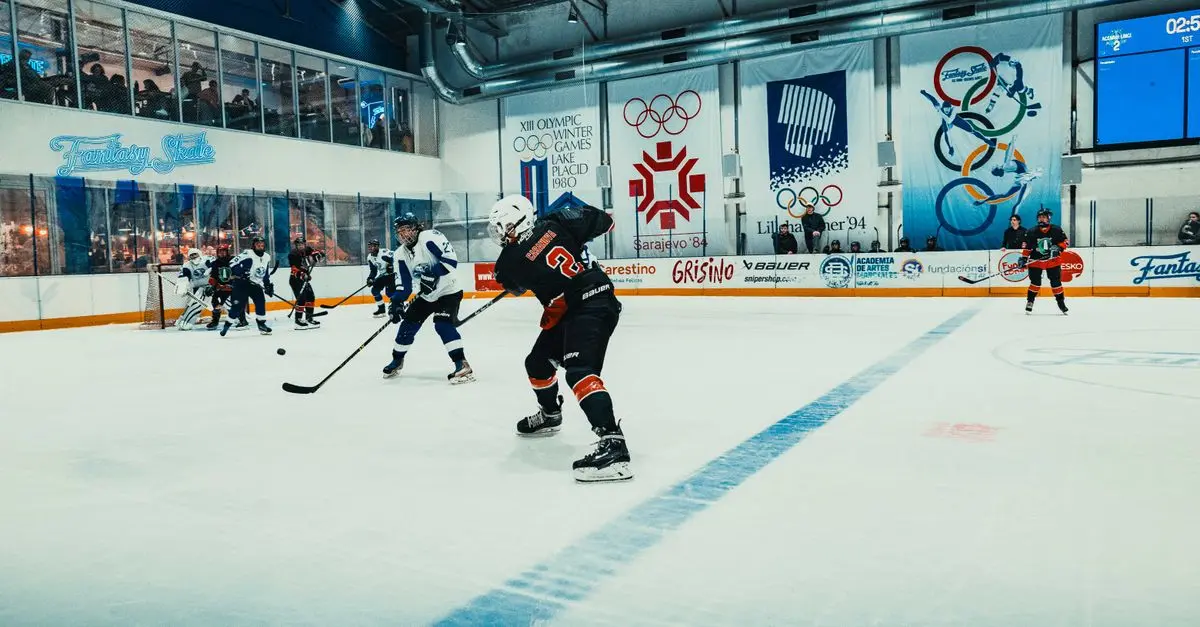
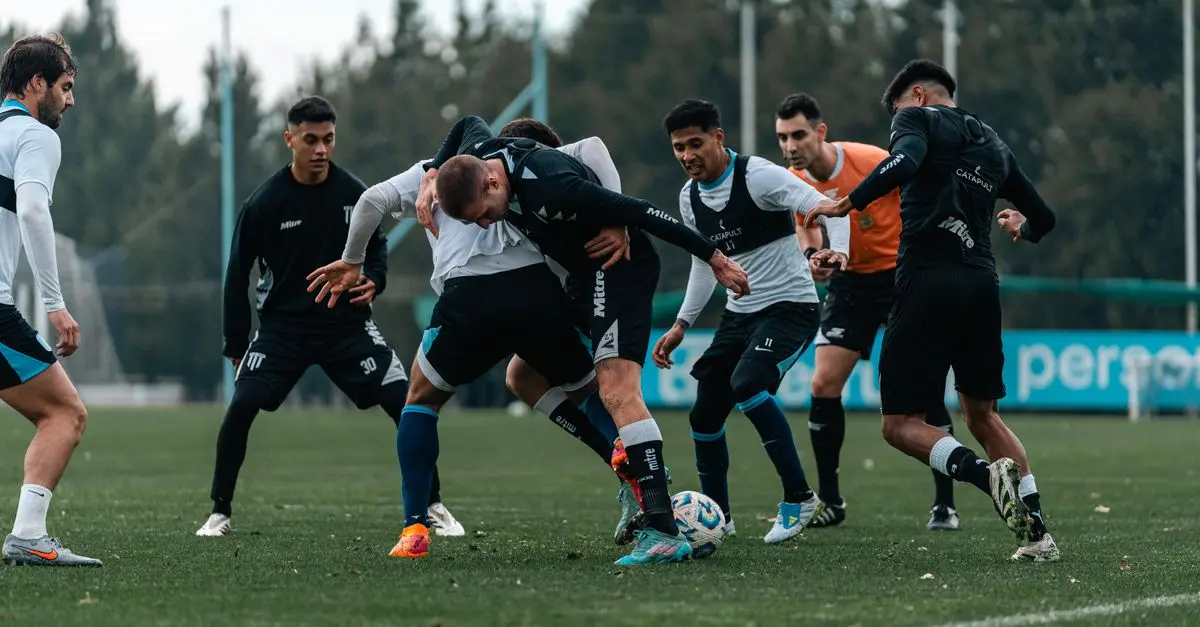
Teamwork is at the core of any team sport. It creates synergy among players, enhancing both individual and collective performance. Athletes must learn to trust their teammates, communicate effectively, and understand team dynamics. According to a study published in the Journal of Sports Psychology, teams that display high levels of collaboration tend to outperform those that do not. This involves not just on-the-field play but also off-the-field relationships that build camaraderie. For example, teams like the Golden State Warriors have shown that strong interpersonal relationships contribute to their success on the court.
2. Communication Skills
Effective communication is essential for any athlete part of a team. The ability to convey strategies, call plays, and provide feedback is crucial during high-pressure situations. Athletes must practice clear and assertive communication to ensure everyone is on the same page. Teams should adopt routine exercises that emphasize vocal clarity and active listening during practice drills, enabling athletes to express themselves confidently while fostering an environment of mutual respect.
3. Adaptability
In sports, no game plan is foolproof. Athletes must be able to rapidly adjust their tactics in response to unexpected challenges. Adaptability involves not only changing strategies during a game but also being open to personal improvements. For instance, a soccer player may need to switch positions based on the opponent's formations. Developing this skill can be achieved through varied training sessions that simulate different game scenarios, helping players to react more fluidly.
4. Mental Toughness
Mental resilience is often overlooked, yet it’s a vital skill in sports. Pro athletes face immense pressure and challenges, both on and off the field. Building mental toughness can involve techniques such as visualization, mindfulness, and coping strategies for stress management. A study from the American Psychological Association found that athletes with higher mental resilience are better equipped to handle competition stress. Coaches can play a pivotal role by encouraging athletes to engage in mental conditioning exercises.
5. Time Management
Balancing rigorous training schedules with personal commitments is a hallmark of a successful athlete's career. Effective time management skills enable athletes to not only train but also focus on recovery, nutrition, and personal life. Utilizing planners or digital tools, athletes can allocate their time wisely, ensuring they meet training goals while also taking care of their overall well-being.
6. Technical Skills
Pro team athletes need to hone sport-specific technical skills that differentiate them from others. Whether it’s shooting in basketball, passing in soccer, or pitching in baseball, technical mastery is essential. Continuous practice, feedback from coaches, and watching performance analyses can greatly enhance these skills. Athletes should dedicate specific training sessions to refine techniques and learn from mistakes in a safe environment.
7. Leadership Qualities
Leadership is not just about being the captain; it’s about inspiring and motivating teammates. All athletes should embody leadership qualities, as they contribute to a positive team culture. This could range from leading by example during workouts to providing support and encouragement during difficult times. Programs focused on leadership development, inclusive of mentorship, can cultivate these essential traits.
8. Physical Conditioning
While it may seem obvious, the importance of physical conditioning cannot be overstated. Athletes must maintain peak physical fitness to withstand the rigors of their sport. This encompasses strength training, endurance, flexibility, and injury prevention. For instance, integrating cross-training sessions can help build overall athletic capabilities, which is vital for performance longevity. Nutrition and recovery are also crucial components that athletes must prioritize.
9. Goal Setting
Setting both short-term and long-term goals is essential for sustained growth in an athlete’s career. Goals provide a clear path and allow for measuring progress. Implementing SMART goals (Specific, Measurable, Achievable, Relevant, Time-bound) can enhance this process. For instance, a football player might set a goal to improve their passing accuracy by 10% over the season, motivating them to work harder in practice.
10. Conflict Resolution
In any team, disagreements may arise. Pro athletes must develop conflict resolution skills to handle disputes constructively. This involves understanding different perspectives, negotiating solutions, and maintaining a professional demeanor. Teams can benefit from workshops focused on communication styles and mediation skills, preparing athletes to resolve conflicts amicably.
📺 Resource Video
📺 For further insights: Explore comprehensive training techniques for team sports, dive deeper into skill development and strategies. Search on YouTube: how to develop skills for pro team athletes.
Glossary
| Term | Definition |
|---|---|
| Teamwork | The combined action of a group, especially when effective and efficient in achieving a common goal. |
| Mental Toughness | The ability to maintain focus and confidence in the face of adversity and pressure. |
| Technical Skills | Specific abilities required to perform tasks related to a sport effectively. |
Checklist before training
- [ ] Assess current skill levels
- [ ] Set specific training goals
- [ ] Schedule training and recovery sessions
- [ ] Engage in team communication exercises
- [ ] Implement mental conditioning practices
🧠 Quick Quiz: Which skill is crucial for resolving disputes among teammates?
- A) Technical skills
- B) Leadership qualities
- C) Adaptability
Answer: B — Leadership qualities are essential for conflict resolution in teams.
Athletes aspiring to thrive in professional team sports must continually develop these essential skills. Regardless of the sport, mastering the above skills can set professional athletes apart, ensuring excellence in performance and a fruitful career.
📺 Pour aller plus loin : how to develop skills for pro team athletes sur YouTube