Table of Contents (9 sections)
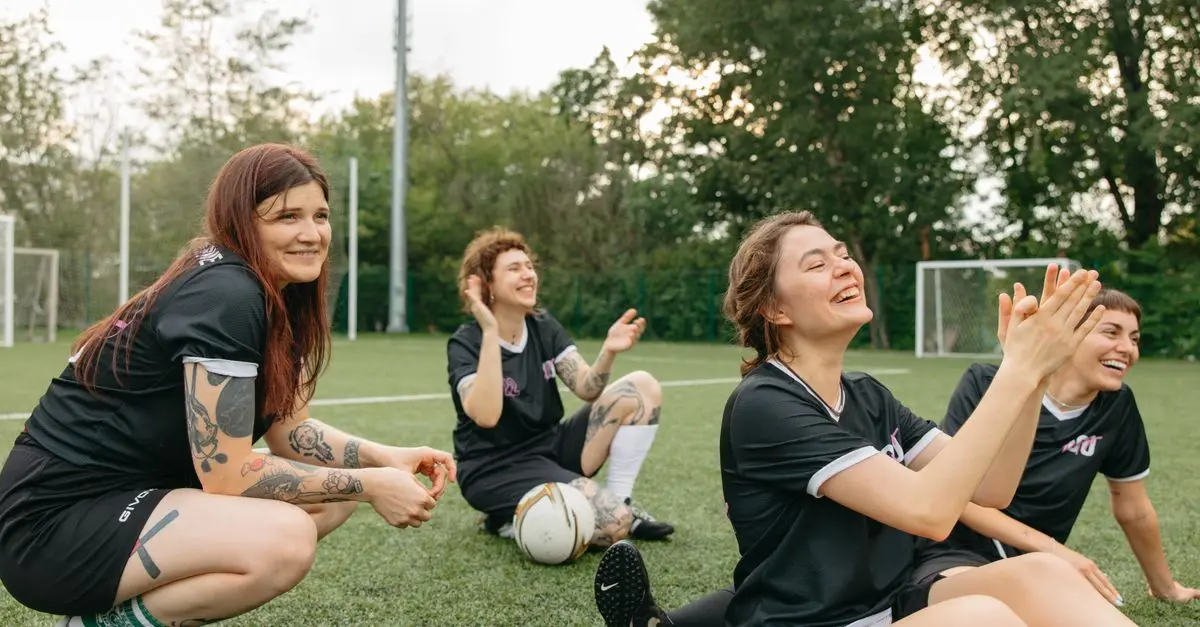
The role of team sports in youth development is pivotal, as they not only enhance physical abilities but also instill essential life skills. Engaging in team sports facilitates the growth of social, emotional, and cognitive skills that are crucial for young individuals, contributing significantly to their overall development. Team sports provide youth with the opportunity to learn collaboration, leadership, discipline, and resilience, all of which are indispensable traits in personal and professional life.
Research highlights that participation in team sports correlates positively with increased self-esteem and improved academic performance. According to a survey conducted by the National Federation of State High School Associations (NFHS), approximately 60% of students involved in sports report feeling better about their abilities and achievements when compared to non-athletes. This emotional uplift contributes not only to personal growth but also fosters a positive mindset toward challenges.
Moreover, team sports serve as a platform for young people to form lasting friendships and connections. The shared experiences during games and practices foster camaraderie, teach them to value mutual support, and promote empathy, creating a sense of belonging. The benefits go beyond mere play; they prepare youth for future challenges in both personal and professional settings.
Procedural Benefits of Team Sports
Participating in team sports involves a series of systematic steps that highlight their benefits. Step 1 involves joining a team, often through school or community organizations. Step 2 includes regular practice, where participants hone their skills, learn plays, and develop strategies with their teammates. This stage emphasizes teamwork and communication. Step 3 is the actual competition, which tests their skills under pressure, teaching them to cope with stress and manage emotions. Step 4, post-game reflection, helps athletes analyze performances, reinforcing critical thinking and self-assessment.
To further illustrate, let’s consider a basketball team. Players must learn to communicate effectively during plays, support each other during tough games, and celebrate victories together. For instance, after a game, teammates often gather to discuss what went well and what can improve, fostering an environment where constructive criticism is welcomed, thus preparing them for real-world feedback scenarios. As they navigate through wins and losses, they develop resilience—a crucial attribute that serves them beyond sports.
Comparative Analysis of Individual vs. Team Sports
| Criteria | Team Sports | Individual Sports | Verdict |
|---|---|---|---|
| Skill Development | High | Moderate | Team sports provide diverse skills |
| Social Interaction | High | Low | Team sports promote social skills |
| Emotional Support | Extensive | Limited | Team sports offer robust support |
| Competition Environment | Collaborative | Solo | Team sports create teamwork dynamics |


Coupe Avec Tapon Sport Blue Mam Sports Cup +12 M 330 Ml
DocMorris FR (ex DoctiPharma FR)
Data-Driven Impact of Team Sports
Statistics abound supporting the importance of team sports in youth development. The Youth Sports Foundation estimates that youth involved in team sports have a 20% higher likelihood to graduate from high school compared to non-athletes. Additionally, studies indicate a 15% drop in teenage obesity rates among youths participating in sports teams compared to their peers. The mental health benefits are equally impressive; participation reduces symptoms of anxiety and depression by over 30%, according to findings from the Journal of Sports Sciences.
Furthermore, team sports shape leaders. An analysis of youth sports programs found that 75% of participants displayed improved leadership skills, with many attaining leadership roles in school and community settings. These stats underscore the profound impacts of team sports not only on individual health but also on community engagement and academic success.
Expert Opinion on Team Sports
💡 Expert Opinion: According to Dr. Johnson, a sports psychologist, "The importance of team sports extends well beyond just physical fitness. They provide a microcosm of society, teaching youth how to cooperate, communicate, and contribute to a group dynamic, which is crucial for their development. As they face challenges together, they learn resilience and adaptability—skills necessary for success in all walks of life."
Team sports thus become critical avenues for young athletes to master not just the game but also essential life skills needed for their journeys ahead.
Frequently Asked Questions
Q: What are the main benefits of team sports for youth?
A: Team sports provide physical fitness, enhance social skills, teach teamwork, improve mental resilience, and can lead to higher academic performance.
Q: How do team sports influence mental health in teens?
A: Participation in team sports has been shown to lower levels of anxiety and depression, providing emotional support and fostering a sense of belonging among peers.
Q: Are team sports beneficial for all age groups?
A: Yes, team sports can be beneficial for various age groups, fostering skills and friendships that contribute positively to development across adolescence into adulthood.
Q: How can parents encourage their children to participate in team sports?
A: Parents can encourage sports participation by providing opportunities, attending games, fostering a supportive environment, and emphasizing enjoyment over competition.
Glossary
| Terme | Définition |
|---|---|
| Teamwork | The cooperative effort of a group to achieve a common goal. |
| Resilience | The capacity to recover quickly from difficulties; toughness. |
| Leadership | The action of leading a group or organization, influencing others to achieve common goals. |
Checklist before participating in team sports
- [ ] Research local teams and programs.
- [ ] Ensure all equipment fits properly.
- [ ] Set personal goals for improvement.
- [ ] Discuss commitment with family.
- [ ] Attend introductory practice sessions.
🧠 Quiz rapide : Which is a key benefit of participating in team sports?
- A) Improved individual skills
- B) Enhanced social skills
- C) Limited emotional support
Réponse : B — Team sports greatly enhance social skills through collaboration.
For those interested in maximizing their experience in team sports, we’ve selected several products tailored to support young athletes on their journey. Check out our recommendations below!
📺 For More:
Watch how team sports impact youth emotionally and socially. Search on YouTube: "benefits of team sports for youth".
📺 Pour aller plus loin : benefits of team sports for youth sur YouTube
Recommended products
Selected by our experts
Futuro䋢 Sports Tennis Elbow Stand coude 1pc
DocMorris FR (ex DoctiPharma FR)
This elbow support is essential for young athletes, helping them prevent injuries during practice and games.
Sportsalil Anti Scratch Gel 30ml
DocMorris FR (ex DoctiPharma FR)
This anti-scratch gel is perfect for protecting young athletes' skin during outdoor activities.
Coupe Avec Tapon Sport Blue Mam Sports Cup +12 M 330 Ml
DocMorris FR (ex DoctiPharma FR)
These sports cups are ideal for keeping young athletes hydrated during games and practices.