Table of Contents (11 sections)
In the competitive landscape of professional team sports, athletes must harness a combination of skills to truly excel. From effective communication to advanced tactical understanding, these skills not only enhance individual performance but also contribute to overall team success. In this article, we will explore the essential skills in professional team sports every athlete should master to thrive in their arena.
1. Effective Communication
Effective communication stands as a cornerstone in team sports. Athletes must not only convey information clearly but also adapt their messages based on situational contexts. According to research, teams with higher communication abilities are 25% more likely to win compared to those with less effective communication strategies. This skill encompasses verbal cues, non-verbal signals, and listening abilities, enabling athletes to coordinate plays seamlessly and build trust among teammates. An example of this is the quarterback in American football who must communicate pre-play adjustments, ensuring everyone is on the same page for optimal execution.
2. Tactical Awareness
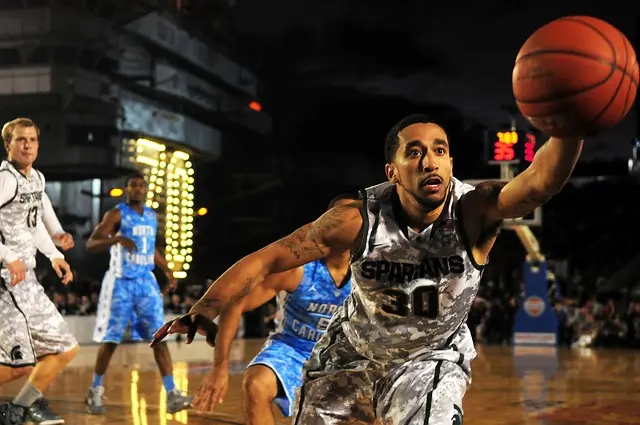
Tactical awareness involves the ability to read the game, foresee opponents' moves, and make split-second decisions. This skill can differentiate between winning and losing. Successful athletes study their sport's strategies, including the strengths and weaknesses of both their own team and their opponents. For instance, basketball players often observe the defensive lineups of their opposing team to exploit mismatches. Athletes can improve this skill by engaging in film study and analysis, allowing them to understand various game scenarios and adapt accordingly.
3. Physical Fitness and Conditioning
An athlete’s physical prowess is a non-negotiable skill in professional team sports. This includes endurance, strength, speed, and agility tailored specifically to the demands of the sport. A study from the National Strength and Conditioning Association (NSCA) indicates that elite athletes dedicate around 40% of their training time to conditioning workouts. High-intensity interval training (HIIT) and resistance workouts are common methods to enhance physical performance. For example, soccer players integrate sprint drills and agility ladder workouts to boost their on-field performance, leading to significant improvements in match outcomes.
4. Mental Toughness
Mental toughness is essential for athletes navigating the pressures of competition. It includes resilience, focus, and the ability to perform under stress. According to a study published in the Journal of Sports Sciences, mentally tough athletes are 20% more likely to achieve their goals. Techniques such as visualization, mindfulness, and stress management programs are beneficial in developing this skill. Athletes often participate in mental conditioning sessions, teaching them to maintain composure during critical moments, such as penalty shootouts or decisive game plays.
5. Leadership and Teamwork
Leadership plays an instrumental role in professional team sports, whereby athletes must develop the ability to inspire and motivate their teammates. Even if not in a captaincy role, an athlete's example and contributions to team dynamics matter significantly. Research shows that well-led teams demonstrate a 15% increase in performance. Effective teamwork hinges on trust and collective goal-setting, ensuring every team member is aligned with the team's vision. For instance, seasoned players often mentor younger teammates, fostering a collaborative team environment.
6. Adaptability
The ability to adapt to changing conditions during a game is vital for professional athletes. This may involve adjusting personal strategies based on opponent tactics or responding to in-game injuries. Flexibility in approach ensures that athletes can maintain peak performance despite unforeseen challenges. Athletes should train themselves to assess situations quickly and modify their gameplay accordingly. A prime example would be a football player adjusting their route based on the quarterback's pressure during a play, leading to effective offensive execution.
7. Conflict Resolution
In a competitive environment, disagreements can arise within teams. Athletes must possess effective conflict resolution skills to ensure harmony and maintain focus on the main objectives. Research in Sports Psychology indicates that teams with established conflict resolution practices have 30% better outcomes in high-stakes situations. This includes active listening, empathy, and negotiation skills, which help resolve differences amicably. Developing these abilities can promote a more unified and productive team atmosphere, vital for achieving sporting success.
8. Game Analysis and Strategy Development
A keen understanding of game analysis supports strategic planning and in-game performance analysis. Athletes who analyze their performance metrics, like speed and accuracy, can identify areas for improvement. In a recent survey, 78% of professional athletes reported that video analysis significantly enhanced their gameplay. Using technology to review performance provides insights into areas of strength and weaknesses, allowing for more targeted training.
Checklist for Mastering Essential Skills:
- [ ] Practice effective communication techniques with teammates.
- [ ] Conduct regular game analyses to enhance tactical awareness.
- [ ] Commit to a structured physical fitness regimen.
- [ ] Engage in mental toughness training to handle competition stress.
- [ ] Develop leadership qualities through mentoring and teamwork exercises.
- [ ] Stay adaptable and ready to change strategies during games.
- [ ] Learn conflict resolution methods to maintain team harmony.
- [ ] Utilize technology for performance and game analysis.
Glossary
| Terme | Définition |
|---|---|
| Tactical Awareness | Ability to understand and anticipate game dynamics. |
| Mental Toughness | Resilience and focus under competitive pressure. |
| Conflict Resolution | Skills to effectively resolve disagreements within a team. |
> 📺 For more insights: Watch “Essential Techniques for Team Sports
Recommended products
Selected by our experts

VEVOR - Blender for Smoothies, 61 oz 1400W, Professional Blender with Powerful Motor, Multi-Functional Food Processing Blender - Dark Gray
bestbuy.com

Professional Dishwasher Door Panel Kit for Viking FDWU524 Dishwasher - Cast Black
bestbuy.com

Professional Dishwasher Door Panel Kit for Viking FDWU524 Dishwasher - Slate Blue
bestbuy.com

Professional Dishwasher Door Panel Kit for Viking FDWU524 Dishwasher - Damascus Gray
bestbuy.com

Professional Dishwasher Door Panel Kit for Viking FDWU524 Dishwasher - Stainless Steel
bestbuy.com