Table of Contents (10 sections)
What is Team Performance Coaching?
Effective team performance coaching refers to the strategies and methods used to improve a team's output, collaboration, and dynamics. It involves a coach working closely with the team members to identify their strengths and weaknesses, building on the former and addressing the latter. Unlike generic training programs, team performance coaching is tailored to a specific group, taking into account their unique goals, challenges, and dynamics. According to statistics from an independent study, effective coaching can improve team performance by up to 30%. At its core, team performance coaching emphasizes communication, trust, and a culture of ongoing improvement. This coaching not only aids in achieving performance goals but also helps to enhance team morale and retention rates.
Step-by-Step Process to Implement Team Performance Coaching
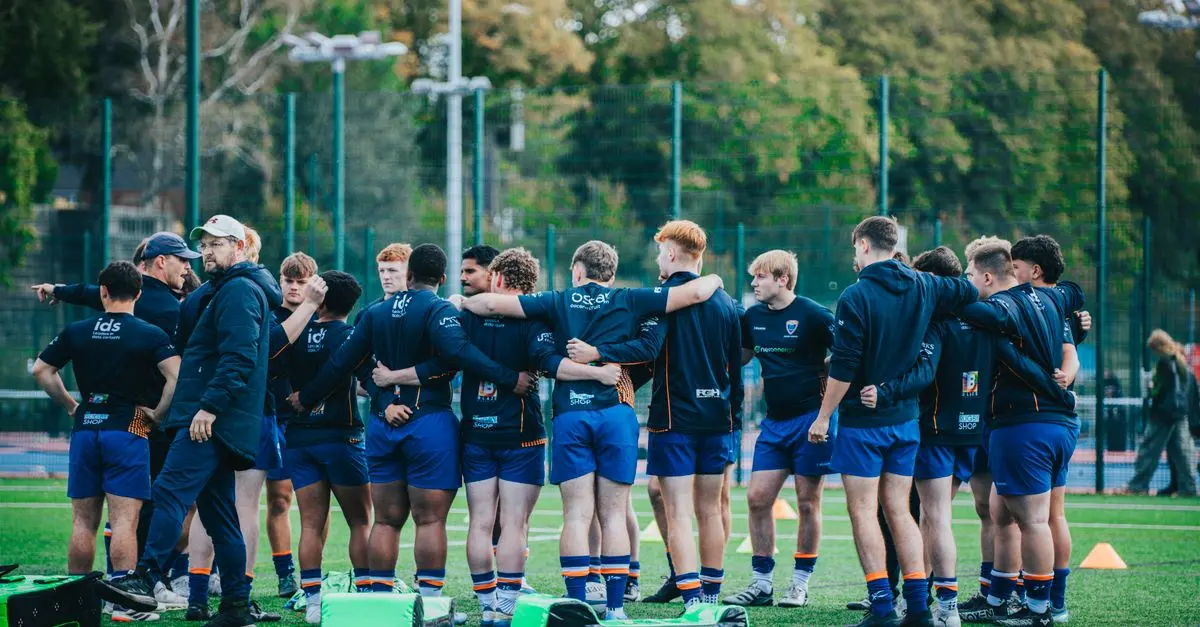
- Identify Objectives: Clearly outline what you want to achieve. This could range from improving communication to increasing productivity or fostering innovation. For instance, a sports team may set a goal to enhance their game strategy through better teamwork.
- Conduct Assessments: Gather data on current team dynamics and individual performance. Tools such as surveys or 360-degree feedback mechanisms can be valuable here. Studies suggest that understanding existing dynamics is crucial for planning effective interventions.
- Develop Coaching Strategies: Create customized strategies fitting the team's specific context and objectives. During this phase, tools and techniques may come from various coaching methodologies, such as agile, action learning, or team-building exercises.
- Execute the Coaching Program: Begin the coaching sessions, ensuring to incorporate both individual and team-focused activities. While one-on-one sessions can address personal development needs, group activities foster collaboration. This dual approach ensures that all players are on the same page and aligned with the team's goals.
- Monitor Progress: Use metrics to measure improvements and adjust coaching techniques accordingly. Regular feedback sessions can help identify what's working and what needs to be modified. For instance, if team cohesion is lacking, introducing team-building exercises might be beneficial.
- Evaluate and Analyze Outcomes: After implementation, analyze the effects of coaching on team performance. Look for improvements in productivity, morale, and output quality. Feedback from team members about their experiences and suggestions for future coaching can help refine your approach.
Comparing Different Team Coaching Techniques
| Technique | Description | Strengths | Weaknesses |
|---|---|---|---|
| Agile Coaching | Focus on iterative development and adaptability | Enhances flexibility and team dynamics | May require frequent adjustment |
| Executive Coaching | High-level strategy focused on leadership | Individual accountability is fostered | Can be expensive |
| Team-Building | Activities designed to enhance cooperation | Immediate relationship improvement | May feel forced if not executed well |
| Performance Coaching | Targeted at specific performance goals | Directly linked to KPIs and outcomes | Might overlook team dynamics |
Selecting the right coaching technique depends on the team’s unique context and goals. While one team may thrive under agile coaching principles, another may find that executive coaching aligns better with their objectives.
The Impact of Data on Team Performance
Data-driven coaching establishes a strong foundation for improving team performance. Tracking metrics such as productivity, engagement scores, and completion rates enables coaches to assess both strengths and areas for improvement effectively. A survey by McKinsey in 2025 indicated that companies leveraging performance metrics saw a 20% increase in overall effectiveness. Establishing benchmarks allows teams to set realistic, measurable goals leading to a more conscious effort toward achieving them. The use of data helps to reinforce transparency, where team members understand what is being measured, why it matters, and how they contribute to overall success.
FAQs about Team Performance Coaching
Q: What qualifications should a performance coach have?
A: Performance coaches should have a strong background in coaching methodologies, psychology, and team dynamics. Certifications from recognized organizations enhance credibility.
Q: How long does a coaching program last?
A: Typically, a coaching program may span anywhere from a few weeks to several months, depending on the team's needs and objectives.
Q: Can coaching work for remote teams?
A: Yes, coaching can be adapted for virtual environments. Online tools and techniques can effectively bring teams together even when they are physically apart.
Q: What are signs that coaching is effective?
A: Indicators of effective coaching include increased productivity, improved communication among team members, and enhanced team morale.
Glossary
| Term | Definition |
|---|
| Coaching | A facilitative process aimed at improving an individual’s or team’s performance.
| Metrics | Standards of measurement used to assess performance and effectiveness in specific areas. |
| Team Dynamics | The interpersonal relationships and behaviors that manifest during team interactions. |
Checklist for Team Performance Coaching
- [ ] Define clear objectives for the coaching program.
- [ ] Conduct initial assessments to understand team dynamics.
- [ ] Develop sustainable coaching strategies that align with goals.
- [ ] Implement coaching sessions with both individual and group focus.
- [ ] Regularly track performance metrics.
- [ ] Provide consistent feedback and adapt strategies accordingly.
Quiz
> 🧠 Quick Quiz: What is the primary goal of team performance coaching?
> - A) Increase profit margins
> - B) Improve team dynamics and performance
> - C) Extend working hours
> Answer: B — Team performance coaching primarily focuses on enhancing team dynamics and overall performance.
📺 Video Resource
> 📺 To dive deeper: Understanding Team Dynamics in Professional Sports, an in-depth look at how coaching affects performance. Search on YouTube: "team performance coaching in sports".
📺 Pour aller plus loin : team performance coaching in sports sur YouTube