Table of Contents (9 sections)
Creating an effective training program for team athletes is crucial for optimizing both team performance and the development of individual athletes. With different sports requiring varying skills, it's essential to understand the unique needs of your team as you design each component of the training regimen.
In this tutorial, we will cover essential steps, common pitfalls, and expert insights that will assist you in creating a groundbreaking training program. Whether coaching a high school soccer team or a professional basketball squad, these guidelines will help elevate your team's game.
1. Understand the Key Objectives
Before developing any training program, it's vital first to identify the overall objectives. What do you hope to achieve through the training program? Are you focusing on improving endurance, strength, or specific skills related to the sport? Understanding these critical goals will inform every aspect of your training plan.
For instance, a study conducted by the Journal of Sports Science found that teams with clearly defined objectives saw a 30% improvement in performance metrics compared to those without. To specify your objectives, consider categorizing them into short-term and long-term goals. Short-term goals may include improving individual fitness levels, whereas long-term objectives could involve securing a championship title.
Additionally, it’s essential to align the goals of the training program with the broader objectives of your team. Consulting with all stakeholders, including athletes, assistant coaches, and even parents, can provide valuable insights into what everyone hopes to achieve. This collaborative approach fosters a sense of ownership and commitment, which is critical for the program's success.
2. Assess Individual and Team Performance
Next, you should conduct thorough assessments of both individual athletes and the team as a whole. This step involves evaluating current performance levels, skill sets, and even injury histories to customize the training plan effectively.
Using tools such as performance analytics and video analysis can help identify strengths and weaknesses. For example, the NCAA frequently utilizes wearables to track players' heart rates and movement patterns, leading to more tailored training sessions. Understanding where each athlete excels can allow you to capitalize on those strengths during training.
In addition, gather feedback from athletes regarding their self-assessment on skills and desired areas of improvement. This may include conducting surveys or one-on-one discussions that encourage open communication. Knowing your team's dynamics and individual capabilities can significantly influence your training strategy.


Gymax - 14'' Kids Bicycle Children's Training Bicycle w/ Removable Training Wheels & Basket - Purple
bestbuy.com

Syedee - Seated Dip Machine with Max 400lbs Plate Loaded, Adjustable Tricep Press with Cable Bar for Biceps Chest Training - Red
bestbuy.com
3. Design the Training Regimen
After establishing objectives and assessing your athletes, it's time to design the training regimen. Include a variety of training elements: strength training, skill development, endurance exercises, and tactical training to contribute holistically to the athletes’ performance.
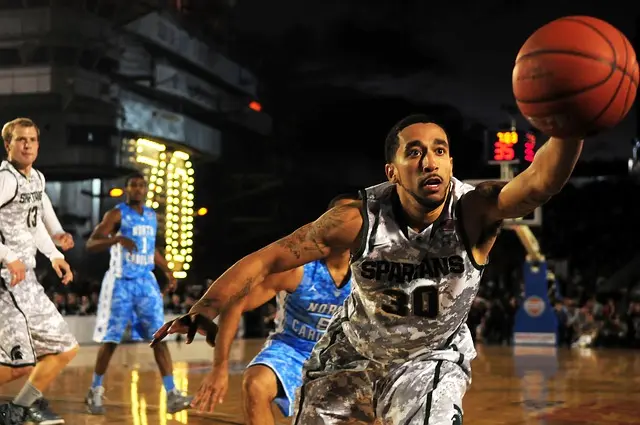
A research review published in the American Journal of Sports Medicine suggests that combining strength and conditioning with sport-specific training enhances overall athletic capabilities. For example, a basketball training program should incorporate drills that simulate game situations alongside strength workouts targeted at legs and core.
It is crucial to create a periodized training schedule which includes different phases such as preparing, competition, and transition. Each phase serves a different function and ensures athletes peak at the right time, particularly during crucial competitions. Be flexible and ready to adjust the regimen based on observed performances during training and feedback from athletes.
4. Monitor Progress Continuously
Monitoring progress is a critical step in evaluating the effectiveness of your training program. Using regular physical assessments, performance metrics, and athlete feedback will supply you with data to make informed adjustments to the program.
For example, establishing weekly check-ins or performance evaluations can help you track individual athlete's progress towards the outlined objectives. It is helpful to maintain logs that document workouts, intensity levels, and outcomes of athletic endeavors to identify trends over time.
Don’t forget to adapt your approach based on aggregated data. If a particular aspect of the training regimen isn’t yielding the expected results, be willing to pivot. According to Expert Coach Interviews published in 2025, adapting plans based on real-time data has shown an increase in adherence and performance improvements.
5. Foster Team Dynamics
An effective training program must also take into account team dynamics and athlete relationships. Building camaraderie and trust among team members can enhance motivation and collaboration.
Incorporate team-building activities both on and off the field. Research from the European Journal of Sport Science indicates that teams with strong interpersonal relationships tend to perform better under stress due to increased trust and communication.
Encouraging athletes to hold each other accountable can also nurture this environment. Consider utilizing group challenges or cooperative training exercises that require teamwork. Regularly celebrating achievements, both individual and team-based, fosters a positive atmosphere that propels everyone forward toward shared goals.
Checklist for Creating a Training Program for Team Athletes
- [ ] Define team objectives clearly.
- [ ] Conduct assessments for individual athletes.
- [ ] Design a diverse training regimen.
- [ ] Implement a monitoring and feedback system.
- [ ] Organize team-building activities.
💡 Expert Insight: The right approach to designing a training program is one that recognizes both the individual and team aspects. Fostering a culture of support can prove essential.

Gymax - 18'' Kids Bicycle Children's Training Bicycle w/ Removable Training Wheels & Basket - Purple
bestbuy.com

Gymax - 16'' Kids Bicycle Children's Training Bicycle w/ Removable Training Wheels & Basket - Pink
bestbuy.com

Gymax - 18'' Kids Bicycle Children's Training Bicycle w/ Removable Training Wheels & Basket - Pink
bestbuy.com
Glossary
| Term | Definition |
|---|---|
| Periodization | A systematic planning of athletic training to reach peak performance. |
| Camaraderie | A spirit of friendship and community among team members. |
| Wearables | Devices that track physiological data during activities (e.g., HR, distance). |
📺 Resource Video
For deeper insights: How to Optimize Your Team's Training Program, covering additional strategies for effective training. Search on YouTube: "team training program innovations 2026".
📺 Pour aller plus loin : team training program innovations 2026 sur YouTube
Recommended products
Selected by our experts

Gymax - 14'' Kids Bicycle Children's Training Bicycle w/ Removable Training Wheels & Basket - Pink
bestbuy.com

Gymax - 16'' Kids Bicycle Children's Training Bicycle w/ Removable Training Wheels & Basket - Purple
bestbuy.com


Uplifted Goods Fitness Training Gloves For Weightlifting Gym And Workout Support a red m
inspireuplift.com