Table of Contents (11 sections)
Creating an effective team sports training program is essential for improving performance, building teamwork, and ensuring that each athlete reaches their potential. This guide breaks down the essential steps needed to develop a comprehensive training program tailored for professional teams.
Step 1: Assess the Team's Needs
Before initiating a training program, it’s crucial to assess the team's current capabilities, weaknesses, and goals. This initial assessment helps to tailor the training to the specific needs of the athletes and the sport. Organize team meetings, conduct skill evaluations, and gather feedback from coaches and athletes. Tools like surveys or performance metrics can be beneficial in understanding the team's strengths and weaknesses. For example, if a soccer team struggles with stamina, workouts focused on endurance should be prioritized. Assessments should be conducted bi-annually to track progress and make adjustments to the program accordingly. Such comprehensive understanding leads to targeted training sessions that yield measurable improvements.
Step 2: Set Clear Objectives
Establishing clear, measurable objectives for the training program is vital. Objectives should be specific, measurable, attainable, relevant, and time-bound (SMART). For instance, a basketball team could set a goal to improve free throw percentage by 15% over three months. Objectives not only guide the training sessions but also motivate athletes by giving them tangible goals to work towards. Break down larger objectives into manageable tasks to maintain steady progress. Regularly revisiting these objectives helps to keep the team focused and accountable for their progress.

Syedee - Seated Dip Machine with Max 400lbs Plate Loaded, Adjustable Tricep Press with Cable Bar for Biceps Chest Training - Red
bestbuy.com

Ryka Influence Training Sneakers Vapor Grey Leather 8.5 M Breathable Mesh, Lightweight
ryka.com

Altra Solstice XT 3 Men's Training Shoes White Size 13 Width D - Medium
holabirdsports.com
Step 3: Develop a Structured Training Schedule
Creating a structured schedule is the backbone of an effective training program. This schedule should include various components: skill drills, physical conditioning, tactical sessions, and recovery time. For example, a soccer team may schedule technical skills practice on Mondays, conditioning on Tuesdays, tactical sessions on Thursdays, and recovery activities throughout the week. It is important to balance intensity and recovery; overtraining can lead to burnout and injuries, which jeopardize performance. Incorporating rest days and ensuring a varied routine keeps athletes engaged and reduces the risk of injuries. Regular evaluations should be included to adjust the training intensity based on the team’s progress.
Step 4: Incorporate Varied Training Methods
Utilizing a variety of training methods can enhance skill acquisition and keep athletes engaged. Methods may include drills, scrimmages, video analysis, and guest coaching sessions. For instance, using game footage for analysis allows players to see tactical errors and improve decision-making in real-time. Additionally, incorporating high-intensity interval training (HIIT) for conditioning can improve fitness levels effectively, as supported by recent studies showing that HIIT enhances endurance and speed in short periods. It fosters competitiveness and camaraderie. Keeping a dynamic training atmosphere is crucial; establishing a mix of physical, mental, and technical training keeps athletes interested and improves their performance.
Step 5: Foster Team Spirit and Communication
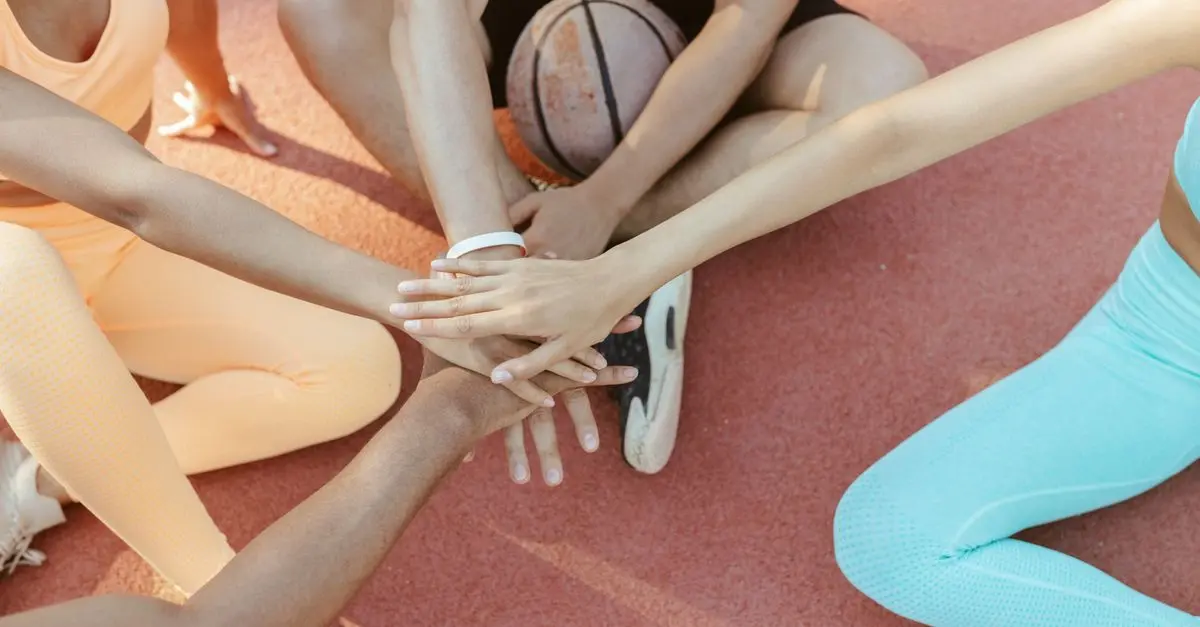
Team spirit and effective communication are essential components of any training program. Regular team-building activities help develop camaraderie and trust among athletes. For example, organizing workshops focused on communication during high-pressure situations can prepare athletes for games. Furthermore, maintaining open lines of communication between coaches and players fosters a supportive environment where athletes feel safe to express grievances and seek help. Encourage feedback from athletes about the training sessions to adapt the program as needed, making them feel valuable and included in the process. Building strong team connections can significantly improve overall performance.
Step 6: Monitor Progress and Adapt
Monitoring the athletes’ progress and adapting the training program accordingly is crucial. Utilize performance metrics, regular feedback sessions, and one-on-one evaluations to track improvements and challenges. Consider employing wearable technology to gather data on athletes' physical outputs during training. Regularly revisit defined objectives, assess them, and make necessary adjustments to keep the program relevant. For example, if an athlete's performance plateaus, shift focus in their training plan to renew their engagement and drive. Effective monitoring and flexibility are essential for ongoing improvement, ensuring the program continuously meets the athletes' needs.

Gymax - 18'' Kids Bicycle Children's Training Bicycle w/ Removable Training Wheels & Basket - Purple
bestbuy.com

Gymax - 16'' Kids Bicycle Children's Training Bicycle w/ Removable Training Wheels & Basket - Pink
bestbuy.com

Gymax - 18'' Kids Bicycle Children's Training Bicycle w/ Removable Training Wheels & Basket - Pink
bestbuy.com
Checklist before Starting the Program
- [ ] Conduct a needs assessment of the team
- [ ] Set SMART objectives for training
- [ ] Develop a structured training schedule
- [ ] Incorporate varied training methods
- [ ] Foster team spirit through activities
- [ ] Establish a monitoring process
Glossary
| Terme | Définition |
|---|---|
| SMART Objectives | Specific, Measurable, Attainable, Relevant, Time-bound objectives for effective goal-setting. |
| High-Intensity Interval Training (HIIT) | A training method alternating short bursts of intense exercise with periods of rest or lower-intensity exercise. |
| Camaraderie | A spirit of friendship and community among team members, essential for teamwork. |
📺 Resource Video
> 📺 For further insights: Creating a Winning Team Training Program, this video explores techniques and strategies to enhance team performance in various sports. Search on YouTube: team sports training program techniques 2026.
🧠 Quick Quiz:
> What is the primary purpose of assessing a team's needs before creating a training program?
> - A) To select athletes
> - B) To customize training according to specific weaknesses
> - C) To define team roles
> Answer: B — Assessing needs allows for targeted training interventions that address specific areas of improvement.
With these steps, you can establish a robust team sports training program that not only enhances skills but also fosters a strong sense of unity among athletes. To further elevate performance, explore our recommended products below.
📺 Pour aller plus loin : team sports training program techniques 2026 sur YouTube
Recommended products
Selected by our experts

Gymax - 14'' Kids Bicycle Children's Training Bicycle w/ Removable Training Wheels & Basket - Pink
bestbuy.com

Gymax - 14'' Kids Bicycle Children's Training Bicycle w/ Removable Training Wheels & Basket - Purple
bestbuy.com

Gymax - 16'' Kids Bicycle Children's Training Bicycle w/ Removable Training Wheels & Basket - Purple
bestbuy.com