Table of Contents (15 sections)
Understanding Effective Leadership in Professional Team Sports
Effective leadership in professional team sports is paramount for both team and individual athlete success. Leaders in sports not only drive performance but also shape the culture of the team. A defining characteristic of effective leaders is their ability to inspire confidence and motivate team members under pressure, which can result in improved performance during crucial game moments. According to a study conducted by the American Psychology Association, teams with strong leadership outperform those with weak leadership by up to 25%. This demonstrates the tangible impact effective leadership has on outcomes in sports.
Moreover, effective leaders possess traits such as emotional intelligence, resilience, and vision. They are often communication experts, adept at conveying strategies and expectations clearly. This also involves listening to players' concerns and addressing them promptly, fostering an environment where all team members feel valued and heard. By establishing strong interpersonal relationships, leaders can build trust and elicit peak performance from their players, ultimately enhancing the team's overall synergy.
Step-by-Step Guide to Building Leadership Skills
Step 1: Establish Clear Communication
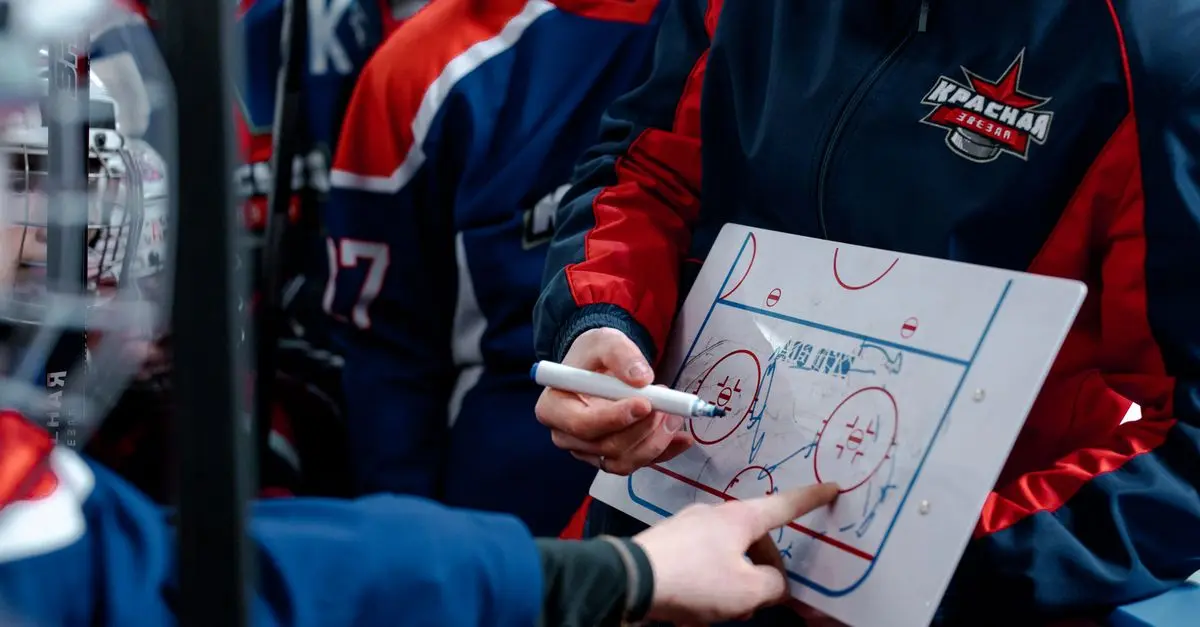
Clear communication is the foundation of effective leadership. As a leader, you should set clear goals and expectations for the team. This includes discussing strategies before games and making sure each player understands their role within the team. Miscommunication can lead to errors on the field, so holding regular meetings and using tools such as visual aids and play diagrams can reinforce strategies.
Step 2: Encourage Team Collaboration
Promoting teamwork is crucial in team sports. Instead of singling out star players, develop a culture where teamwork is paramount. This involves organizing team-building activities and workshops that focus on collaboration. For instance, hosting sessions where players can offer feedback to each other fosters mutual respect and cohesiveness.
Step 3: Develop Emotional Intelligence
Emotional intelligence (EI) is essential for leaders in sports. Being aware of your own emotions and those of your players helps in understanding their needs and reactions. For example, if a player is struggling, recognizing this early can help you provide the support they need to bounce back. Additionally, encouraging players to express their feelings can create a more emotionally aware environment on the team.
Step 4: Lead by Example
As a leader, your actions set the tone for the team's dynamics. Demonstrating hard work, dedication, and sportsmanship can inspire your teammates to emulate these qualities. Whether it's remaining calm under pressure or putting in extra practice hours, your behavior can create a ripple effect throughout the team.
Step 5: Seek Feedback and Adapt
Effective leaders are always seeking to improve. Implementing regular feedback sessions where players can provide input on leadership effectiveness is crucial. This not only shows that you value their opinions but also provides insight into areas for personal and team growth. Adapting your leadership style based on feedback can enhance your effectiveness significantly.

Metropolitan Vacuum Cleaner Co., Inc. Professional Car Vacuum and Dryer
sharperimage.com

Metropolitan Vacuum Cleaner Co., Inc. Professional Auto Detailing Vacuum
sharperimage.com
Professional Blender, Commercial Countertop Blenders, 68 oz Glass Jar Blender Combo, Stainless Steel for Frozen Drinks
bedbathandbeyond.com
Comparative Analysis: Leadership Styles
| Leadership Style | Strengths | Weaknesses | Best For |
|---|---|---|---|
| Autocratic | Quick decision-making | Can demoralize players | Crisis situations |
| Democratic | Fosters team involvement | Decision-making can be slow | Building team culture |
| Laissez-faire | Encourages independence | Lack of direction | Creative teams |
| Transformational | Inspires and motivates | Can overlook details | Overhauling team culture |
In professional team sports, choosing the right leadership style is crucial for success. While an autocratic approach can be beneficial in high-pressure situations, a democratic style tends to be more favorable for long-term team development. Ultimately, the best leaders adapt their style to the needs of the team, balancing authority with collaboration.
The Role of Data in Developing Leadership
Leadership in professional sports should also be data-driven. Analyzing performance statistics, player health data, and even fan engagement can provide leaders with insights that inform their strategies. For instance, teams that utilize performance metrics have shown an increase in player efficiency by up to 18%. Furthermore, understanding historical data regarding player performance in specific situations can guide decision-making during critical moments of games.
By leveraging technology and data analytics, leaders can create personalized training regimens for athletes, ensuring they are at peak performance when it matters most. This analytical approach should become integral to a leader's toolkit.
FAQs About Leadership in Sports
Q: What are the essential qualities of a leader in sports?
A: Key qualities include emotional intelligence, clear communication, resilience, vision, and adaptability.
Q: How can teamwork improve overall performance?
A: Teamwork fosters trust and collaboration, allowing for seamless coordination and enhanced strategy execution.
Q: Why is feedback important in leadership?
A: Feedback allows leaders to adjust their styles and strategies based on team dynamics and needs, enhancing effectiveness.
Q: What role does data play in sports leadership?
A: Data guides decision-making, helping leaders understand performance trends and optimize training regimens for their athletes.
Glossary
| Term | Definition |
|---|---|
| Emotional Intelligence | The ability to recognize and manage one’s own emotions and the emotions of others. |
| Collaboration | Working jointly with others, especially in an intellectual endeavor to achieve mutual goals. |
| Data Analytics | The process of examining data sets to draw conclusions about the information they contain. |
Professional Blender, Commercial Countertop Blenders, 68 oz Glass Jar Blender Combo, Stainless Steel for Frozen Drinks
bedbathandbeyond.com
Professional Blender, Commercial Countertop Blenders, 68 oz Glass Jar Blender Combo, Stainless Steel for Frozen Drinks
bedbathandbeyond.com

VVOR Professional Blender with Shield, Commercial Countertop Blenders, 68 oz Blender Combo, Stainless Steel 9 Speed & 5 Functions Blender, for
shop.simon.com
Checklist for Developing Leadership Skills
- [ ] Establish clear communication protocols
- [ ] Organize regular team collaboration activities
- [ ] Foster emotional intelligence in team interactions
- [ ] Model leadership qualities consistently
- [ ] Implement a feedback system to improve leadership effectiveness
💡 Expert Insight: Effective leaders continuously seek personal and team growth. Engaging each team member in leadership discussions can unveil innovative solutions.
📺 Resource Video
Effective Leadership in Sports Teams, a comprehensive analysis of how to foster effective leadership in sports teams.
Recommended Products
- - - ---
📺 Pour aller plus loin : How to Build Great Teams | Jocko Willink & Dr. Andrew Huberman sur YouTube
Recommended products
Selected by our experts

VEVOR - Blender for Smoothies, 61 oz 1400W, Professional Blender with Powerful Motor, Multi-Functional Food Processing Blender - Dark Gray
bestbuy.com

Professional Dishwasher Door Panel Kit for Viking FDWU524 Dishwasher - Cast Black
bestbuy.com

Professional Dishwasher Door Panel Kit for Viking FDWU524 Dishwasher - Slate Blue
bestbuy.com

Professional Dishwasher Door Panel Kit for Viking FDWU524 Dishwasher - Damascus Gray
bestbuy.com

Professional Dishwasher Door Panel Kit for Viking FDWU524 Dishwasher - Stainless Steel
bestbuy.com