Table of Contents (14 sections)
In the world of professional sports, team sports success hinges not only on talent but also on the quality of team dynamics and collaboration. Let's explore effective strategies for establishing a solid foundation that can lead any team to victory.
1. Understanding Team Sports Success: What It Is and Why It Matters
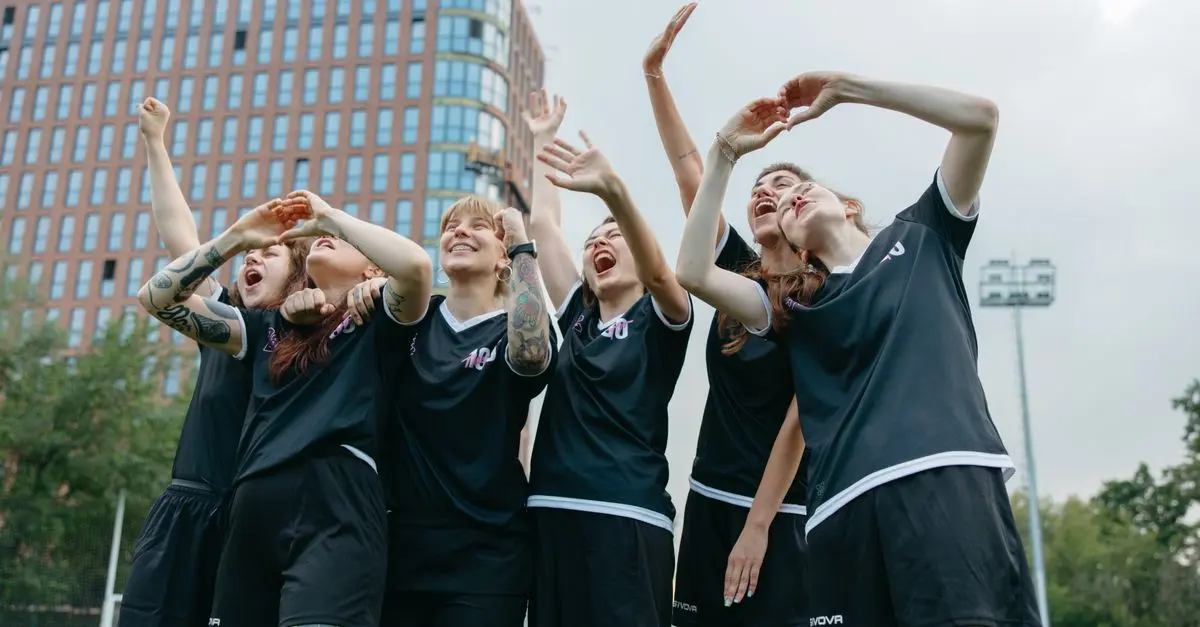
Team sports success goes beyond winning games; it incorporates the development of cohesion, communication, and shared goals among team members. Successful teams exhibit trust, respect, and transparency, which create an environment where players can perform their best. According to recent studies, teams with strong interpersonal relationships are 50% more likely to achieve their objectives compared to those with weaker bonds. This emphasizes the importance of nurturing a positive atmosphere where athletes can collaborate both on and off the field. The American Psychological Association highlights that psychological safety allows players to express their thoughts without fear of criticism, making it crucial for team success.
Building this foundation starts with clear roles and responsibilities. When each member understands their part within the framework of the team, it helps prevent conflicts and misunderstandings. Furthermore, establishing shared objectives aligns everyone's efforts towards a common goal, increasing motivation and accountability.
2. Step-by-Step: Cultivating Strong Team Dynamics
Step 1: Foster Open Communication
Open lines of communication are essential for team dynamics. Begin by implementing regular team meetings, where players can discuss challenges, share ideas, and celebrate achievements. Encouraging honest feedback among teammates will create an environment of trust. As a best practice, utilize anonymous surveys to gauge team morale and address concerns proactively.
Step 2: Establish Clear Goals
Setting specific, measurable goals is paramount. Make sure every player is involved in the goal-setting process, as this ensures buy-in and accountability. Utilize the SMART criteria (Specific, Measurable, Achievable, Relevant, Time-bound) to formulate objectives. For instance, instead of an ambiguous target like “improve performance,” frame a goal as “increase our average scoring by 10% by the end of the season.”
Step 3: Team-Building Activities
Engage in team-building activities outside of practice. Such activities enhance camaraderie and reinforce relationships. Examples include retreats, friendly competitions, or community service projects. According to a report by The Institute for Corporate Productivity, organizations that emphasize team-building exercises achieve 18% higher business results. These activities encourage members to collaborate in a less formal setting, helping to dismantle barriers and build rapport.
Step 4: Promote Accountability
Encourage individual accountability within the framework of team goals. Each member should understand how their contributions impact the team’s overall success. Use performance metrics and regular assessments to ensure accountability is front and center. This could involve setting up peer evaluations where teammates can provide feedback on each other's performance, motivating members to strive for excellence.
Step 5: Provide Leadership Opportunities
Empower your athletes by providing them with leadership opportunities. Rotate team roles so each member experiences different responsibilities, which helps build leadership skills and diversifies perspectives. According to Harvard Business Review, teams led by rotating leaders reported increased engagement and satisfaction. This not only nurtures individual growth but also fosters a sense of ownership among team members.
3. Pitfalls to Avoid in Team Dynamics
While striving for team sports success, avoid common pitfalls that can derail progress:
- Neglecting Team Culture: Focusing solely on winning can harm team culture. Establish values that prioritize respect and collaboration over competition alone.
- Ignoring Conflicts: Addressing conflicts quickly and effectively is crucial. Ignoring issues can lead to resentment and diminish performance. Create a culture where disagreements can be voiced constructively.
- Lack of Recognition: Failing to acknowledge individual and team achievements can demotivate your players. Regularly celebrate successes, big or small, to maintain morale.
4. Data-Driven Insights for Team Sports Success
Strengthening team dynamics is backed by data. Studies show that effective teamwork can significantly boost performance:
| Key Metric | High-Performing Teams | Low-Performing Teams | Verdict |
|---|---|---|---|
| Communication Quality | 90% positive feedback | 55% positive feedback | High-performing teams excel. |
| Goal Achievement Rate | 80% | 50% | Clear goals drive success. |
| Team Cohesion Rating | 4.7/5 | 2.5/5 | Strong bonds matter. |
| Leadership Effectiveness | 85% satisfied members | 60% satisfied members | Invest in leadership. |
5. Frequently Asked Questions
Q: What is the most important factor for team success?
A: While many factors contribute to team success, communication is often cited as the most critical, fostering trust and alignment.
Q: How can I build trust among team members?
A: Building trust takes time, but consistency in interactions and shared experiences can accelerate this process.
Q: Are team-building activities effective?
A: Yes, team-building activities are proven to enhance cooperation and relationships among teammates, benefiting performance.
Q: How often should we evaluate team performance?
A: Regular evaluations are vital; consider conducting them quarterly to ensure ongoing alignment and improvement.
📺 Ressource Vidéo
> 📺 For further insights: Explore methods to enhance team cohesion, find comprehensive tips and strategies. Search on YouTube: "team dynamics in sports 2026".
Checklist for Building Strong Team Dynamics
- [ ] Foster open communication
- [ ] Set clear, measurable goals
- [ ] Engage in team-building activities
- [ ] Promote individual accountability
- [ ] Provide leadership opportunities
- [ ] Recognize team and individual achievements
- [ ] Address conflicts proactively
- [ ] Establish a positive team culture
Glossaire
| Terme | Définition |
|---|---|
| Team Dynamics | The patterns of interaction and relationships among team members. |
| Cohesion | The degree to which team members stick together to achieve common goals. |
| Accountability | The responsibility of team members to deliver on obligations and performance. |
Through these structured approaches, your team can pave the way towards team sports success. Begin implementing these strategies today to witness the transformation of your team's dynamics.
📺 Pour aller plus loin : team dynamics in sports 2026 sur YouTube
Recommended products
Selected by our experts

TETON Sports - Celsius XXL 0 Degree Right Zipper Sleeping Bag for Camping - Gray
bestbuy.com
Plus Size Women's Glamorise MagicLift Seamless Sports Wirefree Bra 1006 (Women's & Women's Plus) by Glamorise in Cafe (Size 48 G)
roamans.com
Plus Size Women's Full Figure Plus Size Custom Control Sports Bra Wirefree #1166 Bra by Glamorise in White (Size 42 D)
roamans.com
Inspired Finds Monster TWS Wireless Bluetooth Earbuds HD Stereo Sound Sports In Ear Headphones With Charging Case & LCD Touch Display 2 Pcs Touch
inspireuplift.com
Augusta Sportswear 4388 Women's Medalist 2.0 Pullover T-Shirt in Kelly/White size Small Polyester
shirtspace.com