Table of Contents (9 sections)
Analyzing player performance metrics is essential for professional teams aiming to enhance their strategic decisions, build effective game plans, and develop player potential. Metrics such as player efficiency rating (PER), plus/minus ratings, and advanced analytics are instrumental in assessing a player's contribution to the team both on and off the field. In this guide, we will walk through a systematic method to analyze these metrics, ensuring that coaches and analysts can derive actionable insights and make data-driven decisions.
1. Understanding Key Performance Metrics
Before delving into analysis, it's vital to familiarize yourself with the key metrics that define player performance. These metrics can be broadly categorized into traditional stats—such as goals, assists, and rebounds—and advanced analytics that account for more nuanced aspects of gameplay. For instance:
- Player Efficiency Rating (PER): A comprehensive statistic that summarizes a player's statistical accomplishments in a single number, taking into account positive accomplishments (e.g., points, rebounds) and negative ones (e.g., missed shots, turnovers).
- Plus/Minus (+/-): A measure used to evaluate a player's impact on the game by calculating the point differential when that player is on the court compared to when they are off.
- Win Shares: An estimate of the number of wins contributed by a player to their team, based on their individual performance.
Understanding these metrics provides a fundamental backdrop against which you can evaluate player performances, strategize game plans, and assess team dynamics. Coaches can leverage this knowledge to identify talent, assess weaknesses, and make informed decisions related to player training and development.
2. Collecting Data
The next step involves gathering the necessary data to perform a thorough analysis. This data can be collected from a variety of sources:
- Game Stats: Traditional game statistics can be sourced from league databases that compile player performance during games, including points, field goals, and assists.
- Tracking Technology: Advanced tracking technologies provide real-time analytics, tracking player movements and actions on the field to provide deeper insights into their contributions.
- Video Analysis: Utilizing game footage to analyze player decisions and movements can provide context that standard statistics might miss. Observing gameplay in context can highlight a player's decision-making, positioning, and overall effectiveness in real-time plays.
Implementing data collection tools is crucial. Consider adopting software that integrates various analytics data, making it easier to visualize player performance over time. This software often includes customizable dashboards that allow for the tracking of specific metrics over the season, thus providing a comprehensive view of player development.

Men's Under Armour 3-pack Performance Tech 6-in. Boxer Briefs, - Black - Size: S
kohls.com

CORE365 Radiant Performance Piqu Polo withReflective Piping blue Small male
shop.simon.com
3. Performing Data Analysis
With the collected data in hand, it's time to conduct the analysis. Here’s a step-by-step approach:
- Evaluate Overall Performance: Check the key metrics of each player across various games to identify consistency and performance trends.
- Drill Down Into Individual Metrics: Compare specific metrics like PER, plus/minus, and shooting percentages. Look for players with high potential but inconsistent gameplay, indicating areas for improvement.
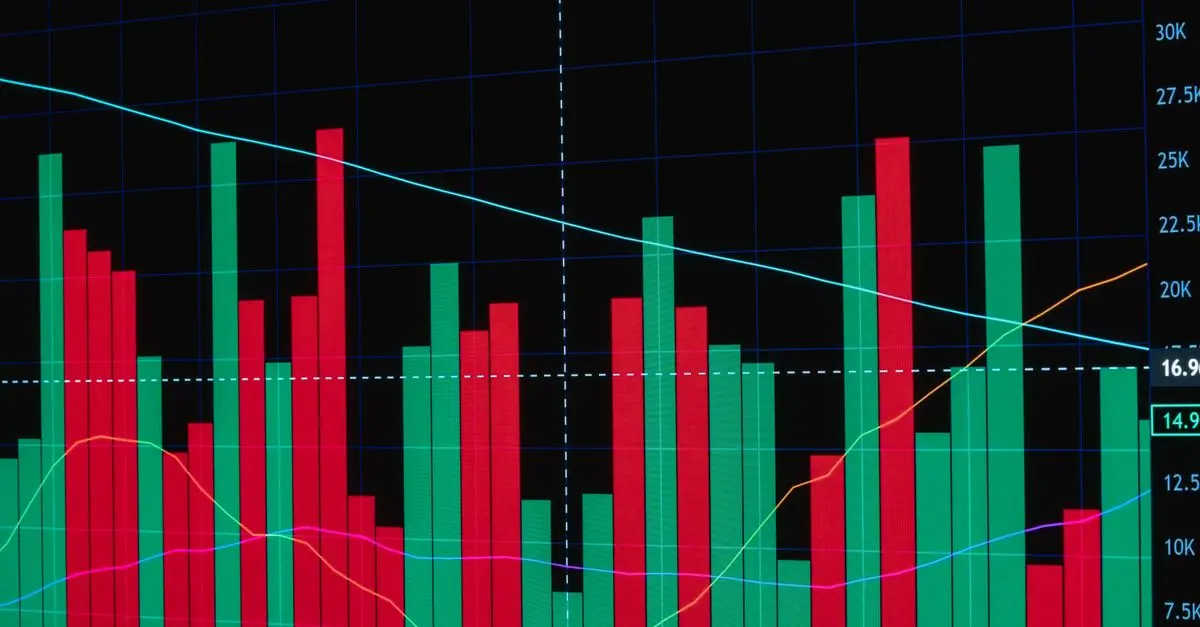
- Utilize Visualizations: By employing charts and graphs to display player performance, you can easily identify patterns and trends. A line graph illustrating a player’s PER over the season can reveal peaks and troughs in performance, helping you determine when external factors might have influenced outcomes (e.g., injuries, coach strategies).
- Comparative Analysis: This step involves benchmarking performance against other players in similar roles or positions. Understand how your players stack up across the league—this will give you a clearer idea of who excels and who might need further development.
4. Communicating Findings
Once analysis is completed, the next crucial step is effective communication. Document and present your findings in a manner that is comprehensible and actionable for coaches, players, and management.
- Create Reports: Develop a summary report detailing individual player performances, overall team results, and how metrics align with strategic objectives.
- Use Visual Aids: Incorporate charts, graphs, and infographics in your presentations. Visual representation of data leads to better understanding and can make a compelling case for necessary changes or training.
- Feedback Mechanism: Ensure there’s a system in place for feedback after presentation. Team buy-in is essential for implementing strategic changes based on your findings. Gather coaches’ insights and players’ inputs to refine future analysis processes.
5. Implementing Improvements
The ultimate goal of analyzing player performance metrics is to enhance team strategy and player development. After identifying strengths and weaknesses:
- Draft Training Regimens: Design training programs tailored to target players’ weaknesses or enhance their strengths, informed by the data-driven insights you’ve gathered.
- Adjust Game Strategies: Based on your analysis, suggest tactical changes during gameplay based on analytics—whether it’s adjusting formations, positions, or even rotations during matches.
- Monitor Progress: Create a feedback loop by continually assessing player performance against newly implemented strategies to ensure ongoing improvement.
Checklist before Analysis
- [ ] Identify key performance metrics to analyze.
- [ ] Collect relevant game and tracking data.
- [ ] Utilize software to visualize performance trends.
- [ ] Present findings using visual aids and reports.
- [ ] Implement and monitor the effectiveness of changes based on analysis.


Skechers Performance SKX FULL-COURT PRESS Men's White Basketball 14 M - Gender: male
shoemall.com
L.L.Bean Women's L. L.Bean Everyday Performance 7/8 Leggings, High-Rise Midnight Black Extra Large Medium Tall, Synthetic
llbean.com
Glossary
| Term | Definition |
|---|---|
| Player Efficiency Rating (PER) | A measure summarizing a player's overall performance in a single statistic. |
| Plus/Minus (+/-) | A statistic reflecting the point differential when a player is on the field compared to off. |
| Win Shares | An estimate of the contribution a player makes to a team's wins. |
> 📺 For further reading: [How to use player statistics in sports analysis], a deep dive into using data to enhance team performance. Look up on YouTube:
how to analyze player performance metrics 2026.
📺 Pour aller plus loin : Declan Rice 2025/2026 Season Analysis and Performance Stats. Melampaui Lembar Statistik sur YouTube
Recommended products
Selected by our experts
L.L.Bean Men's Comfort Stretch Performance Pima Tee, Long-Sleeve Henley Faded Sage Extra Large, Cotton L. L.Bean
llbean.com
Devon & Jones DG20 CrownLux Performance Men's Plaited Polo Shirt in Black size 6XL Polyester
shirtspace.com
Richardson RA7200LSH Charge Performance Fleece Long Sleeve Hoodie in Navy Blue size Small Polyester Blend
shirtspace.com
Port Authority K528 Performance Fine Jacquard Polo Shirt in Vine Green size 3XL Polyester
shirtspace.com
Devon & Jones DG480 CrownLux Performance Men's Clubhouse Micro-Stripe Quarter-Zip T-Shirt in Silver size Medium Polyester/Spandex Blend
shirtspace.com
Port Authority K542 Heathered Silk Touch Performance Polo Shirt in Moonlight Blue Heather size 4XL Polyester
shirtspace.com