Table of Contents (12 sections)
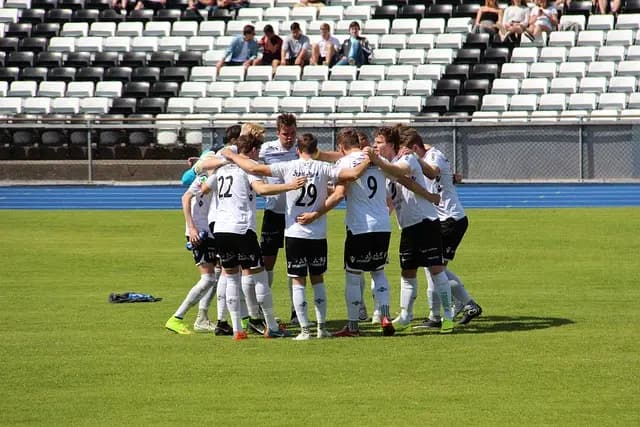
In the competitive world of professional sports, team integration strategies are essential for building a cohesive unit capable of achieving success on and off the field. Team dynamics play a critical role in performance, with seamless communication, trust, and collaboration being core to any successful sports team. This article will outline key strategies to enhance team integration, providing insights that can help coaches, players, and management create a winning environment.
1. Define Clear Roles and Responsibilities
Establishing clear roles and responsibilities is paramount for effective team integration. When each member knows their specific duties—whether as a player on the field or as a support staff member—they can perform their tasks with confidence and contribute effectively to the team’s overall goals. For instance, during training sessions, coaches should emphasize the importance of each player's position, encouraging them to understand not merely their function but also how it relates to the team's strategy. Research shows that teams with well-defined roles tend to perform better, as players feel more accountable and engaged in their roles.
2. Foster Open Communication
Open lines of communication foster trust and transparency among team members. Regular team meetings, feedback sessions, and one-on-one check-ins can help to build an environment where players feel comfortable expressing their thoughts and concerns. Effective communication also extends to intra-team dialogue during games; teams that communicate well on the field can react better to evolving situations. For example, in 2026, the Seattle Storm implemented periodic feedback loops that significantly improved on-court communication, which led to a noticeable improvement in their game statistics.
3. Develop Team-Building Activities
Investing in team-building activities can enhance connections between players and staff. Both on-field and off-field activities—like retreats, team outings, or community service—help in fostering camaraderie. An example is an annual community service project that the Miami Heat participates in, allowing players to strengthen their bonds while making a positive impact in their community. A study indicated that teams who engaged in regular team-building exercises reported higher levels of trust and satisfaction, leading to improved performance.
4. Implement Conflict Resolution Strategies
Conflicts are inevitable in any team environment. However, implementing conflict resolution strategies can turn potential issues into opportunities for growth. Establishing protocols for addressing disagreements—such as mediation sessions led by coaches or team leaders—can prevent escalation and ensure healthy discourse. For instance, teams can create a 'conflict protocol' where players are encouraged to discuss grievances directly but respectfully and aim for resolution collaboratively.
5. Create a Shared Vision and Goals
A collective team vision or set of goals binds players together and provides a common purpose. When players understand the team’s objectives and their importance, motivation and commitment levels rise. Coaches should involve players in goal-setting sessions to instill ownership over outcomes. One successful approach used by the Golden State Warriors in the 2026 season involved collaborative vision boards, where each player contributed to the team's long-term strategy.
6. Utilize Data Analytics
Data analytics can be a game-changer in understanding team dynamics and enhancing performance. By analyzing performance data, coaches can identify strengths and weaknesses within the team and adjust integration strategies accordingly. Tools like video breakdowns and performance statistics also guide training sessions. In fact, research conducted in the National Basketball Association (NBA) illustrates that teams who leverage analytics effectively have improved their win rates by up to 15%.
7. Encourage Leadership Development
Encouraging leadership within the team can foster a culture of accountability. Developing leadership skills not only among coaches but within the player group itself promotes a supportive atmosphere. Workshops and training sessions led by former leaders within the sport or sports psychologists can equip players with tools to lead more effectively. This strategic approach was successfully implemented by the New England Patriots, wherein they trained selected players as informal team leaders to promote a peer-focused guidance system.
8. Adapt to Individual Needs
Every player brings unique strengths and weaknesses to the team. Therefore, understanding and adapting to individual needs can significantly enhance team integration. Tailored training regimens, personalized mentoring or coaching, and recognition for personal achievements can help motivate players while enhancing their integration into team dynamics. A well-known example is the Chicago Bulls, who implemented individualized training plans for their players, leading to a greater sense of belonging within the team.
📺 For More Insights:
Discover strategies for enhancing team dynamics in professional sports. Search on YouTube: "team integration strategies in sports."
Checklist for Effective Team Integration
- [ ] Define clear roles for each team member.
- [ ] Foster an open communication environment.
- [ ] Plan regular team-building activities.
- [ ] Implement conflict resolution strategies.
- [ ] Create shared goals and vision for the team.
- [ ] Utilize data analytics for performance insights.
- [ ] Encourage leadership development.
- [ ] Adapt to individual player needs.
Glossary
| Term | Definition |
|---|---|
| Team Dynamics | The interpersonal relationships and processes that shape a team's performance and functionality. |
| Cohesion | The extent to which team members stick together and pursue shared objectives. |
| Conflict Resolution | The methods and processes involved in facilitating the peaceful ending of a dispute.
🧠 Quick Quiz: What is a key strategy for successful team integration?
- A) Ignoring conflicts
- B) Encouraging open communication
- C) Avoiding team-building activities
Answer: B — Encouraging open communication is vital for trust and collaboration.
In summary, successful team integration hinges on multiple well-executed strategies. Implementing these elements not only prepares teams for competition but also fosters an enduring sense of community, ultimately leading to superior performance.
📺 Pour aller plus loin : team integration strategies in sports sur YouTube