Table of Contents (15 sections)
Introduction
Achieving a competitive edge in team sports requires more than just talent; it demands well-crafted strategies. As of 2026, teams are increasingly focusing on advanced team strategies to outmaneuver their opponents. This guide provides a structured approach to enhancing team performance through innovative strategies.
1. Enhancing Communication
Effective communication is foundational for any successful team. Teams must cultivate open channels to ensure every player understands their role and the team's objectives. Utilizing technology like Slack or dedicated sports communication apps creates seamless dialogue. However, avoid over-reliance on text-based communication, which can lead to misunderstandings.
2. Data-Driven Decision Making
Modern sports teams rely heavily on data analytics. By analyzing real-time data through platforms like Hudl, coaches can make informed decisions during games. However, it's crucial to train your team in data interpretation to avoid paralysis by analysis.
3. Tailored Training Regimens
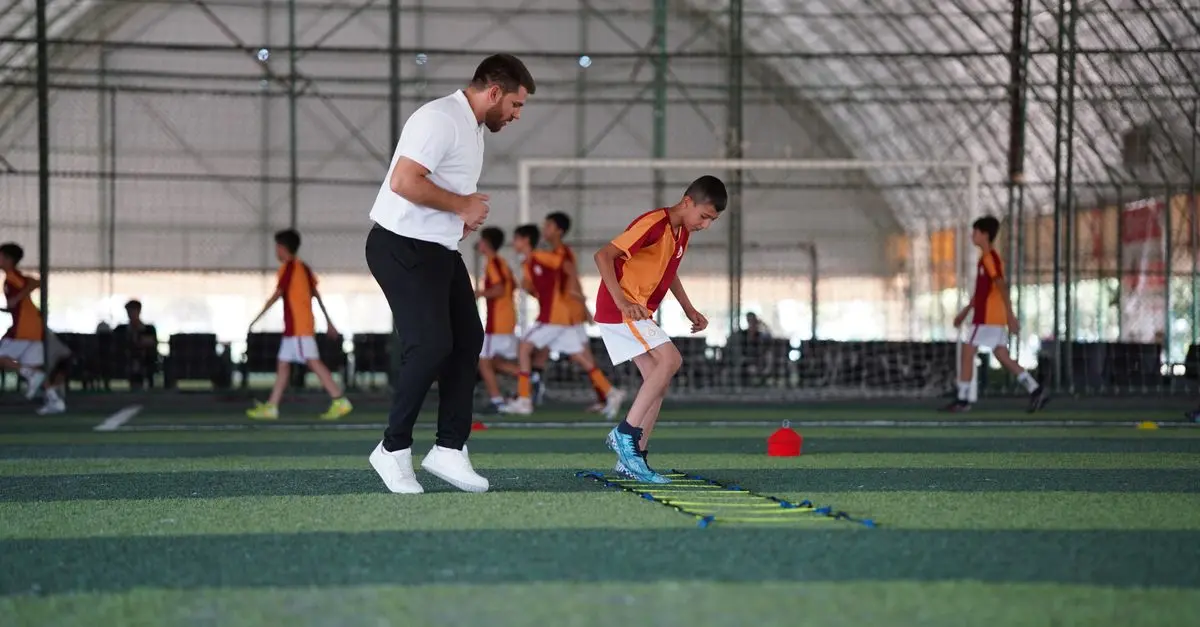
Training should be specific and adaptive. Analyzing each player's metrics allows for personalized training plans that address both strengths and weaknesses. This method has been advocated by EXOS, a leader in athletic training, to maximize performance output.
4. Mental Resilience and Psychology
Building a mentally resilient team can shift the odds in tough matches. Incorporating sports psychologists into the team setup ensures players can handle pressure and remain focused. According to studies, teams with robust mental training programs report a 30% increase in win rates.
📺 Resource Video
> 📺 For further insights: How to Implement Data-Driven Strategies in Sports, a deep dive into utilizing data for strategic advantage. Search on YouTube: data-driven sports strategy 2026.
5. Substitution Strategy Optimization
Utilize substitution rules optimally by understanding player strengths in various game conditions. A study by Opta Sports suggests that strategic substitutions can increase win probability by up to 15%. Avoid common pitfalls like making reactive versus proactive substitutions.
6. Building a Cohesive Team Culture
Fostering a strong team culture encourages collaboration and mutual support. Regular team-building exercises and open forums for feedback can enhance camaraderie. Focus on creating an inclusive environment where every player feels valued.
7. Leveraging Technology for Competitive Edge
Integrating technology is crucial. Use devices and wearables for real-time performance monitoring and to track improvements. Innovations by companies like Catapult provide critical insights that can inform training adjustments.
8. Utilizing Feedback Loops
Continuous improvement stems from regular feedback. Implement feedback loops where coaches and players review performances to identify areas for improvement. Constructive criticism should be balanced with positive reinforcement.
Comparative Analysis of Strategies
| Strategy | Benefits | Tools Required | Potential Pitfalls |
|---|---|---|---|
| Communication | Enhanced collaboration | Apps like Slack | Misinterpretation |
| Data Analysis | Informed decisions | Hudl, Tableau | Overload |
| Tailored Training | Maximized performance | Biometric devices | Injury risk |
| Mental Resilience | Increased focus under stress | Psychologists | Over-reliance |
- How can data analytics enhance team performance?
Data analytics allows teams to make informed decisions based on player performance, game conditions, and opponent analysis.
- Why is mental resilience important in sports?
Mental resilience helps players withstand competitive pressures, ensuring focus and optimal performance under stress.
- What role does technology play in strategic sports management?
Technology provides real-time insights and monitoring, aiding in performance analysis and strategic adjustments.
Glossary
| Term | Definition |
|---|---|
| Analytics | The systematic computational analysis of data |
| Cohesion | The action or fact of forming a united whole |
| Performance Metric | A quantifiable measure used to evaluate success |
- [ ] Enhance team communication channels
- [ ] Integrate data analytics in decision-making
- [ ] Personalize training regimens
- [ ] Employ a sports psychologist
- [ ] Optimize substitution strategies
- [ ] Foster a strong team culture
- [ ] Leverage technology for insights
- [ ] Establish a feedback loop
🧠 Quick Quiz: Which strategy involves using real-time data to inform decisions?
- A) Communication
- B) Data Analysis
- C) Mental Resilience
Answer: B — Data Analysis involves using real-time data to inform strategic decisions.