Table of Contents (13 sections)
In today’s competitive world of sports, implementing successful team sports strategies is crucial to gaining an edge over opponents. Understanding the foundational components that drive team performance is essential for coaches, players, and sports organizations alike. This article will explore eight key components that contribute to effective team strategies and provide actionable insights into their implementation.
1. Clear Communication
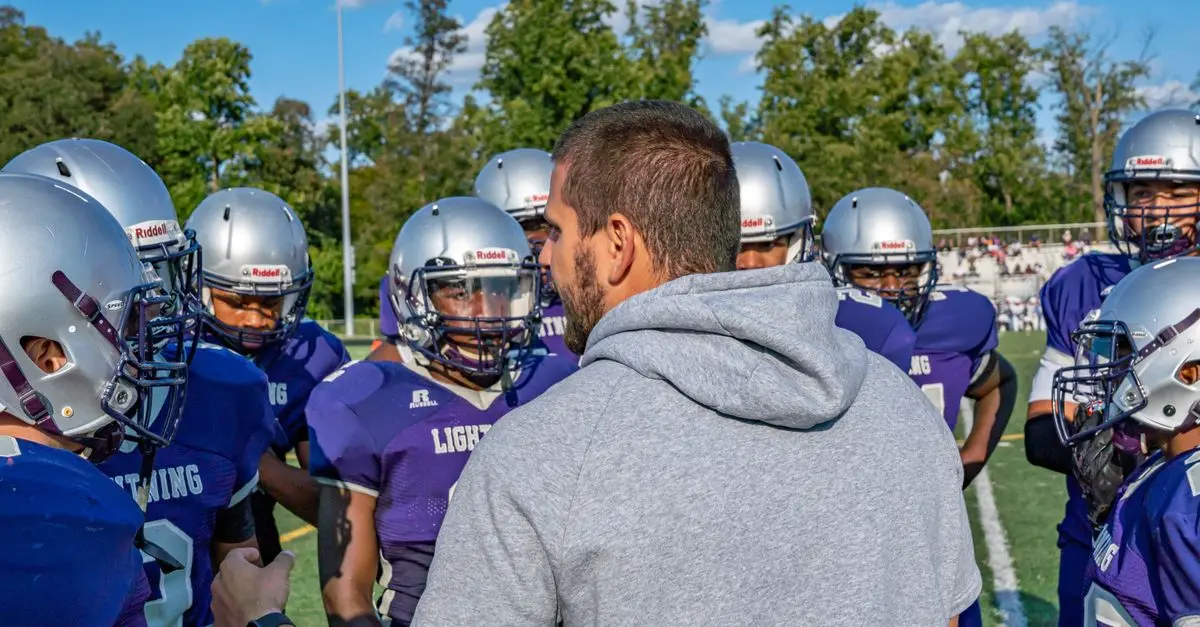
Clear communication is fundamental to successful team sports strategies. Players need to understand their roles and responsibilities, and coaches must relay their vision effectively. This can be achieved by establishing communication channels like team meetings, practice debriefs, and digital platforms (e.g., team management apps). According to the National Federation of State High School Associations, effective communication can enhance team dynamics and reduce misunderstandings on the field. For instance, using hand signals or pre-agreed terminology during games can ensure swift decision-making.
2. Defined Roles and Responsibilities
Ensuring that each team member understands their role within the team is pivotal. When players know what is expected of them, they can contribute more effectively. Coaches should clearly define these roles through individual meetings and team discussions. For example, in soccer, you have forwards focusing on scoring, while defenders concentrate on preventing the opposition from scoring. This clarity often translates into improved performance on the field, as noted by sports psychologists.
3. Team Cohesion
Building a strong sense of team cohesion is vital. A unified team is more likely to perform better under pressure. Activities that promote bonding, such as team-building exercises or social events, can enhance relationships. Research from the American Psychological Association indicates that teams with high cohesion often display improved resilience and motivation in competitions. Coaches should actively foster relationships among players, leading to better communication and trust on the field.
4. Strategy Development and Flexibility
Formulating a strategy tailored to the team’s strengths and weaknesses is another essential component. Coaches must analyze their opponents and adapt their game plans. A successful strategy should include multiple options, allowing teams to adjust as situations on the field change. For example, a basketball team might switch between man-to-man and zone defenses based on the opposing team's offense. Emphasizing flexibility enables teams to react effectively to challenging scenarios.
5. Training and Practice Regimens
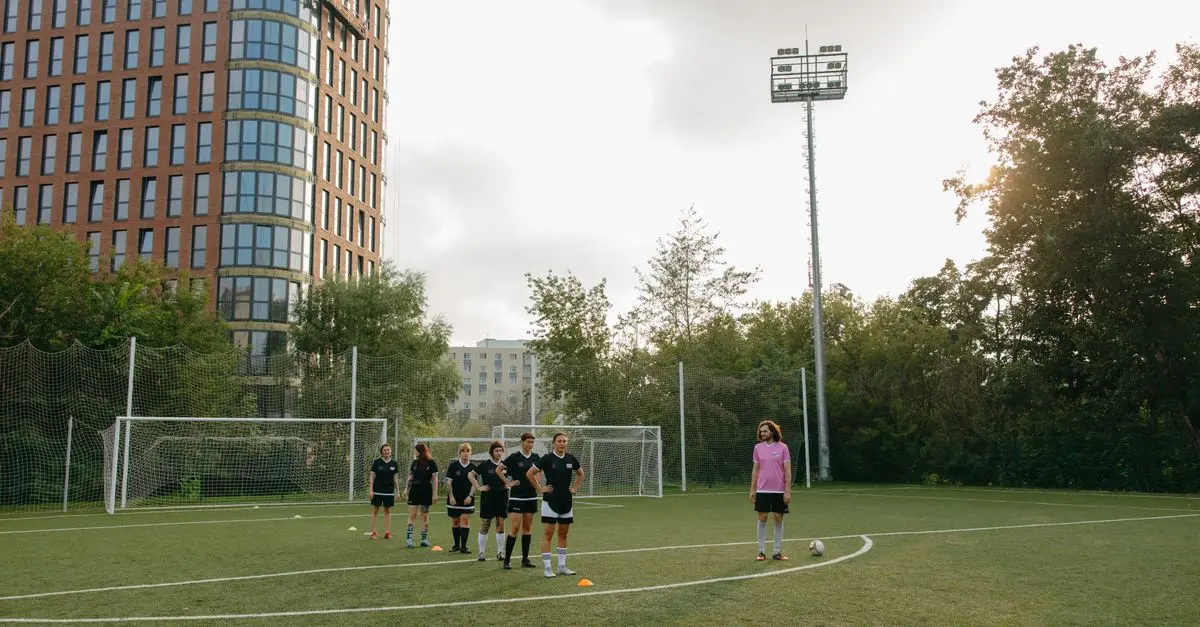
A strong training regimen is crucial to developing successful team sports strategies. This involves not only physical conditioning but also tactical training focusing on game situations. According to the Journal of Sports Sciences, structured and diverse training practices enhance skill development and game preparedness. Coaches should ensure that practice sessions incorporate simulations of real-game situations, allowing players to apply strategies under pressure.
6. Performance Analytics
Utilizing data analytics can significantly enhance team strategies. By analyzing player performance metrics and game statistics, teams can identify trends and areas for improvement. For instance, analyzing shot accuracy in basketball or pass completion rates in soccer can lead to strategic adjustments. Many professional teams leverage data analytics to inform their decision-making processes, creating a competitive advantage based on quantitative insights.
7. Leadership and Coaching
Effective leadership is paramount in guiding teams towards success. Coaches must exhibit strong leadership qualities, instilling confidence and inspiring their teams. According to a study by the Institute for Sports Science, a coach’s leadership style can significantly affect team morale and performance. Leaders should actively seek feedback, empower players, and cultivate a positive environment conducive to high performance.
8. Mental Conditioning
Finally, mental conditioning is often an overlooked aspect of successful team sports strategies. Developing mental toughness and resilience can help players perform under pressure. Coaches can incorporate mental training sessions, mindfulness practices, and visualization techniques into their training programs. A study published in the Journal of Applied Sport Psychology found that mental conditioning techniques can enhance athletes' performance by improving focus and stress management during competitions.
📺 For further insights:
Watch this video: [The Importance of Team Strategy in Sports], an in-depth analysis of successful sports strategies. Search for: "team sports strategies 2026".
Checklist
- [ ] Ensure clear communication among team members
- [ ] Define roles and responsibilities for each player
- [ ] Foster team cohesion through bonding activities
- [ ] Develop adaptable strategies based on strengths and weaknesses
- [ ] Implement structured training and practice regimens
- [ ] Utilize performance analytics to inform decisions
- [ ] Demonstrate strong leadership and coaching
- [ ] Incorporate mental conditioning into training
Glossary
| Term | Definition |
|---|---|
| Team Cohesion | The degree to which team members work together and support one another, leading to improved performance and morale. |
| Performance Analytics | The process of using data to evaluate and enhance player and team performance, helping to inform strategic decisions. |
| Mental Conditioning | Techniques aimed at developing an athlete's mental skills, including focus, resilience, and stress management, to improve performance under pressure. |
Conclusion
Successful team sports strategies involve a multifaceted approach that requires clarity, cohesion, and adaptability. By focusing on these eight key components, teams can enhance their performance and achieve their goals both on and off the field. Let’s embrace the challenge and refine our strategies to pave the way for sporting success.
📺 Pour aller plus loin : team sports strategies 2026 sur YouTube