Table of Contents (14 sections)
Team communication in sports is crucial for maximizing performance and fostering a positive environment. Effective communication helps in building trust, promoting teamwork, and ensuring that all team members are aligned towards common objectives. In this article, we will explore ten essential tips that can significantly improve communication and overall team dynamics in sports settings.
1. Establish Clear Roles and Responsibilities
To enhance team communication, it’s vital that each team member understands their specific roles and responsibilities. When everyone knows what is expected of them, it minimizes confusion and ensures accountability. For instance, in a football team, roles like the goalkeeper, defenders, midfielders, and forwards must be clearly defined. This clarity not only improves performance but also encourages teammates to communicate more effectively, knowing precisely who is responsible for what during gameplay.
2. Foster an Open Environment
Creating an environment where team members feel comfortable expressing their thoughts and opinions is essential for effective communication. Encourage players to share their feedback without fear of criticism. Regular team meetings can serve as platforms where everyone’s voice is heard. A study published in the Journal of Sports Sciences emphasized that teams with open communication tend to perform better, as players feel valued and more engaged.
3. Use Technology Wisely
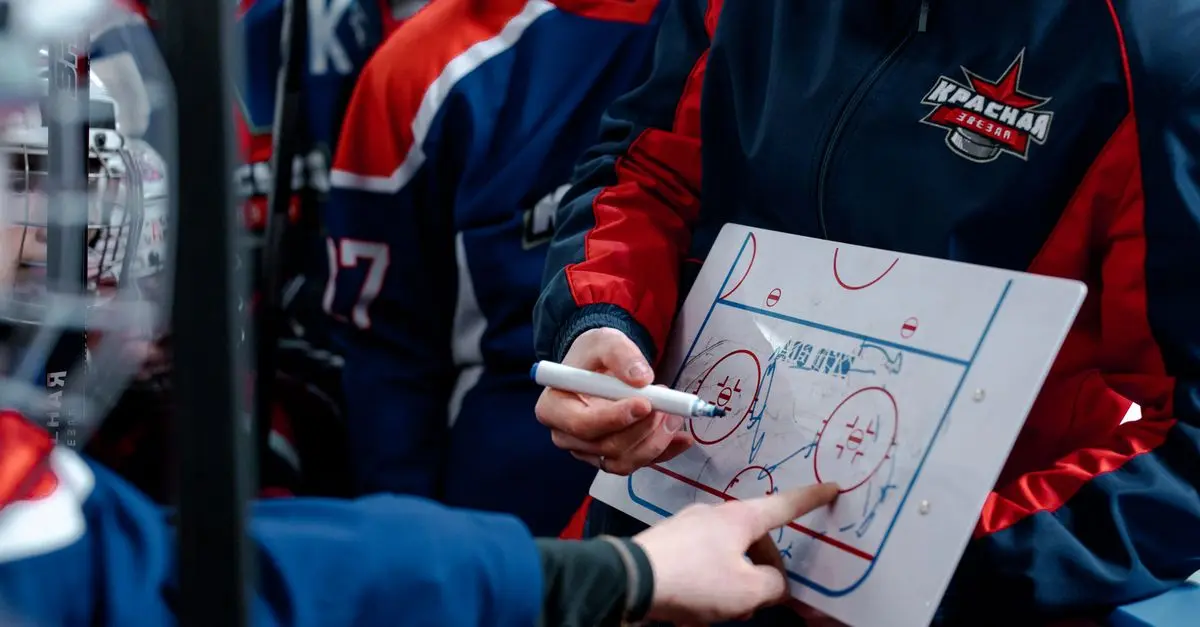
In today’s digital age, leveraging technology can greatly enhance team communication. Tools like messaging apps, video conferencing, and online collaboration platforms allow teams to stay connected, even when physically apart. Incorporating video analysis tools can enable coaches to share tactical insights instantly, improving players' understanding of strategies. This way, all members are on the same page, enhancing coherence and synergy during practice and matches.
4. Implement Effective Feedback Mechanisms
Constructive feedback is critical for player development and team success. Establish a system where feedback is shared regularly, focusing on both areas of improvement and strengths. For example, after each game or training session, conducting a debrief allows team members to reflect collectively on their performance. According to research from Harvard Business Review, teams that engage in regular feedback sessions improve over 25% in their subsequent performances due to a clearer understanding of what works and what doesn’t.
5. Practice Active Listening
Effective communication is not just about speaking; it’s equally about listening. Encourage team members to actively listen to one another during discussions, ensuring everyone feels respected and understood. This practice can be reinforced through drills that require players to repeat what others have said before responding. Active listening promotes deeper connections and better understanding of diverse perspectives, crucial in high-pressure sports environments.
6. Enhance Non-Verbal Communication
Non-verbal cues often convey more than words. Teach players to recognize and utilize body language, eye contact, and other gestures to enhance communication. For instance, a simple nod can indicate agreement, while positive body language can motivate teammates. Research indicates that over 70% of communication is non-verbal; thus, being aware of these signals plays a significant role in team dynamics and trust-building.
7. Encourage Team Building Activities
Engaging in team-building activities outside of regular training can significantly improve communication among members. Activities such as obstacle courses, trust falls, or team retreats facilitate bonding and foster better understanding among players. The American Psychological Association notes that teams that engage in fun, collaborative experiences develop stronger connections, which translate into better on-field communication.
8. Set Communication Norms
Establish specific communication guidelines that dictate how team members should interact during practices and games. For example, players might agree to always address each other respectfully and use constructive criticism. This creates a culture of accountability and respect. Teams with clear norms show improved communication, as everyone understands the expected behaviors.
9. Utilize Regular Check-Ins
Frequent check-ins can help ensure that everyone is aligned and aware of their progress. This can be as simple as brief pre or post-practice huddles where players share their thoughts or concerns. Studies suggest that regular touchpoints can lead to a 30% increase in team cohesion, as members feel more connected and invested in each other’s success.
10. Monitor and Adapt Communication Styles
Every individual has a unique communication style. It’s essential to recognize these differences and adapt accordingly. For instance, some players may prefer concise updates, while others might benefit from detailed explanations. Encouraging team members to express their preferred communication styles can lead to more effective interactions and reduce misunderstandings.
Conclusion
Effective team communication is an ongoing process that requires commitment and adaptation. By implementing these ten strategies, teams can build a stronger communication foundation leading to better performance on the field.
Checklist for Improving Team Communication
- [ ] Define clear roles for each team member.
- [ ] Create an open environment for feedback.
- [ ] Utilize communication technology effectively.
- [ ] Encourage regular feedback sessions.
- [ ] Practice active listening techniques.
- [ ] Enhance awareness of non-verbal communication.
- [ ] Engage in team-building activities regularly.
- [ ] Establish communication norms.
- [ ] Conduct regular check-ins with team members.
- [ ] Adapt communication styles to fit individual preferences.
Glossary
| Term | Definition |
|---|---|
| Active Listening | A communication technique focused on fully understanding the speaker's message before responding. |
| Non-Verbal Communication | The transmission of messages or signals through non-verbal cues or body language. |
| Team Cohesion | The degree to which team members stick together and work together collaboratively toward common goals. |
> 📺 For further exploration: Explore effective sports team communication strategies, a comprehensive analysis of communication techniques. Search on YouTube: "effective sports team communication 2026".
🧠 Quick Quiz: What percentage of communication is non-verbal?
- A) 50%
- B) 70%
- C) 90%
Answer: B — Studies show over 70% of communication is non-verbal.
📺 Pour aller plus loin : effective sports team communication strategies 2026 sur YouTube
Recommended products
Selected by our experts

TETON Sports - Celsius XXL 0 Degree Right Zipper Sleeping Bag for Camping - Gray
bestbuy.com
Plus Size Women's Glamorise MagicLift Seamless Sports Wirefree Bra 1006 (Women's & Women's Plus) by Glamorise in Cafe (Size 48 G)
roamans.com
Plus Size Women's Full Figure Plus Size Custom Control Sports Bra Wirefree #1166 Bra by Glamorise in White (Size 42 D)
roamans.com
Inspired Finds Monster TWS Wireless Bluetooth Earbuds HD Stereo Sound Sports In Ear Headphones With Charging Case & LCD Touch Display 2 Pcs Touch
inspireuplift.com
Augusta Sportswear 4388 Women's Medalist 2.0 Pullover T-Shirt in Kelly/White size Small Polyester
shirtspace.com