Table of Contents (13 sections)
Understanding Team Cohesion
Team cohesion is vital for the success of professional sports teams. It refers to the bonds that link team members together, allowing them to work effectively towards common goals. A cohesive team enhances performance, improves morale, and fosters a healthy competitive environment. According to research from the American Psychological Association, teams with high cohesion are often more successful in both individual and collective performances. This article outlines ten essential strategies to enhance team cohesion, providing insights into methods that can lead to not only better performances on the field but also stronger relationships off of it.
Building Trust
Trust among team members is foundational to achieving true cohesion. Team leaders must cultivate an environment where athletes feel safe to express themselves and their ideas. One practical approach involves team retreats or workshops aimed at relationship-building. For instance, Team USA implemented trust-building exercises that improved communication and collaboration, leading to a noteworthy increase in performance metrics during competitions. Regular one-on-one check-ins can also help athletes voice concerns and reinforce their commitment to team values. The Institute for Sports Psychology notes that trust leads to better coordination during high-pressure situations, making teams more resilient.
Effective Communication
Open lines of communication can drastically improve team dynamics. Developing a communication protocol that allows for diverse methods of interaction—be it face-to-face, digital platforms, or via team meetings—ensures that all voices are heard. Use tools like group chats and collaborative platforms to keep athletes informed and engaged. Clear communication minimizes misunderstandings and fosters a culture of transparency, as observed in the New Zealand All Blacks, where effective communication was tied to their remarkable success in rugby.
Setting Shared Goals
Having collective objectives is essential for team cohesion. When every member understands the team's goals, they are more likely to align their individual efforts towards achieving them. For example, the Chicago Bulls famously operated under a clear goal of winning championships. They held regular discussions to align individual performance goals with team objectives, which was a driving factor behind their sustained success. Establishing SMART (Specific, Measurable, Achievable, Relevant, Time-bound) goals can guide teams in staying focused and motivated, which ultimately results in higher performance levels.
Team Building Activities
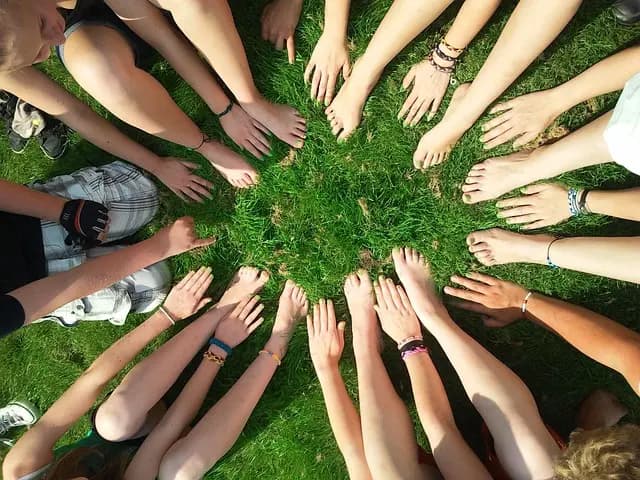
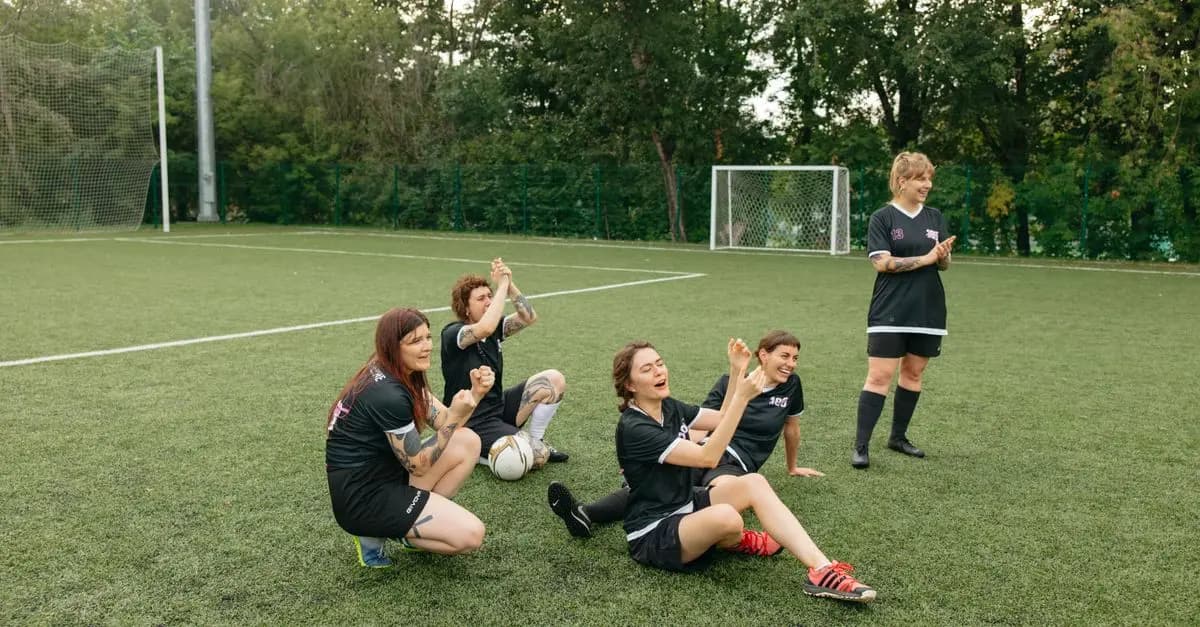
Engaging in structured team-building activities can effectively promote cohesion among athletes. Activities may range from physical exercises to problem-solving challenges designed to enhance collaboration. For instance, the US Women’s Soccer Team frequently utilizes outdoor adventure activities to strengthen bonds. These experiences foster camaraderie and allow team members to appreciate each other's strengths and vulnerabilities, leading to enhanced trust and communication. Even simple regular social events outside of competitions can nurture relationships that translate into stronger teamwork on the field.
Role Clarity and Accountability
Clarity in roles and responsibilities ensures that all members understand what is expected of them. This can significantly reduce confusion and overlaps in duties, which can harm team dynamics. For instance, FC Barcelona emphasizes individual roles through detailed discussions and training sessions. Furthermore, holding athletes accountable for their roles encourages responsibility and discipline within the team. The use of performance metrics during evaluations can help reinforce this accountability, resulting in better cohesion as each member understands their contributions towards team success.
Encouraging Diversity and Inclusion
Creating an inclusive environment encourages diverse perspectives that are pivotal in fostering innovation and problem-solving within teams. According to a study by McKinsey & Company, teams with diverse members are 35% more likely to outperform their peers. Sports teams can benefit from establishing a culture that values different backgrounds and experiences. Initiatives such as mentorship programs can be beneficial, as they allow seasoned players to offer guidance to newcomers, strengthening the overall team fabric.
Feedback and Conflict Resolution
Encouraging constructive feedback is essential for progression and maintaining harmony in a team. Regular feedback sessions help athletes understand their strengths and areas for improvement. Additionally, having a robust conflict-resolution strategy in place is critical, as conflicts can undermine team cohesion if not managed properly. Having neutral mediators or team leaders who can facilitate dialogue ensures that conflicts are settled amicably. According to Harvard Business Review, teams that effectively resolve conflicts often outperform those that don’t, underscoring the importance of good conflict management in sports.
Celebrating Achievements
Recognizing achievements, both big and small, is fundamental to boosting team morale. Celebrations can range from formal award nights to simple acknowledgments during team meetings. For example, acknowledging an athlete’s personal milestones during games fosters a sense of belonging and appreciation. According to a survey conducted by Gallup, teams that celebrate successes perform 14% better due to increased motivation levels. Regularly celebrating achievements helps reinforce positive behaviors and encourages consistent performance.
Continuous Learning and Adaptation
The most successful teams are those that embrace a culture of continuous learning. This involves regular training sessions that focus on skill enhancements and strategic development. Furthermore, analyzing team performance after games provides invaluable insight into strengths and weaknesses. Establishing a feedback loop, where athletes contribute suggestions and share experiences, facilitates adaptive strategies and enhances team resilience. A notable example is the New England Patriots, known for their rigorous analysis and adaptation strategies, which have contributed to their multiple championship wins.
Checklist before implementing team cohesion strategies
- [ ] Foster trust through open communication.
- [ ] Set clear, shared goals for all athletes.
- [ ] Engage in regular team-building activities.
- [ ] Clarify roles and hold members accountable.
- [ ] Promote diversity and inclusion within the team.
- [ ] Establish feedback mechanisms and conflict resolution strategies.
- [ ] Celebrate achievements and milestones.
- [ ] Commit to ongoing learning and adaptation.
Glossary
| Term | Definition |
|---|---|
| Team Cohesion | The bond that links team members together, enhancing collaboration. |
| SMART Goals | Specific, Measurable, Achievable, Relevant, and Time-bound objectives. |
| Conflict Resolution | The methods and processes involved in facilitating a peaceful ending to conflict. |
> 📺 For more insights: “Team Cohesion in Professional Sports,” a comprehensive analysis of key strategies. Search on YouTube:
team cohesion strategies in sports 2026.
🧠 Quick Quiz: What is the primary factor that enhances team cohesion?
- A) Individual Performance
- B) Trust among team members
- C) Training Frequency
Answer: B — Trust is a foundational aspect of team cohesion.
📺 Pour aller plus loin : team cohesion strategies in sports 2026 sur YouTube