Table of Contents (15 sections)
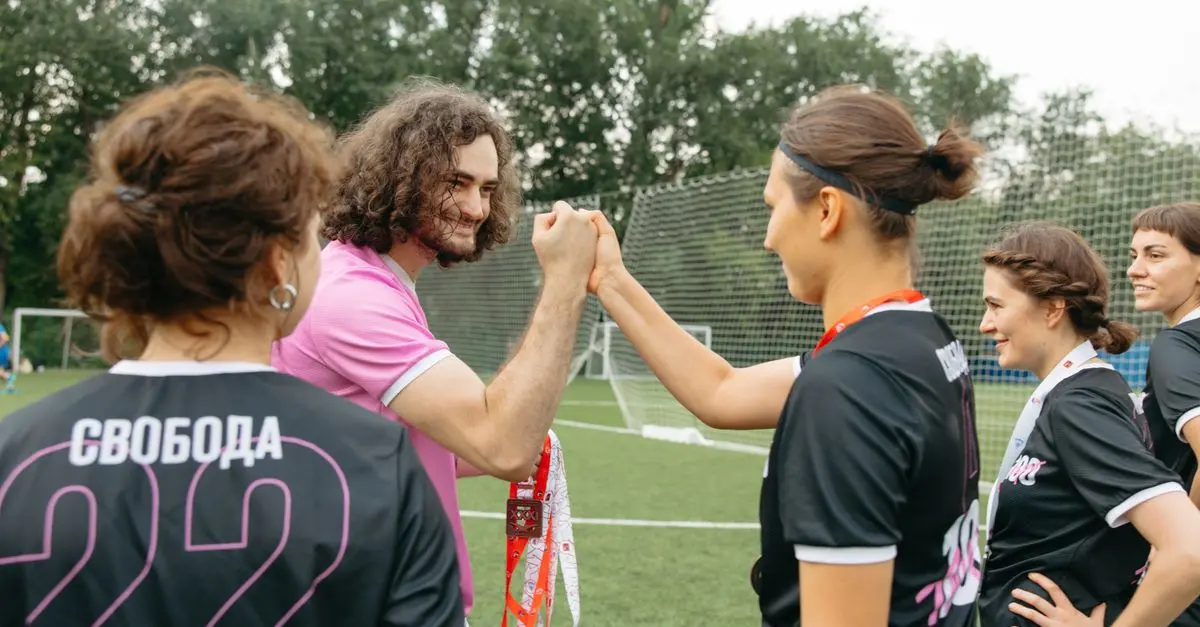
In professional sports, team cohesion is crucial for maximizing performance and achieving success. Team cohesion strategies are methods that foster a sense of unity and collaboration among team members, ultimately leading to better outcomes on and off the field. In this article, we'll explore 10 essential strategies for building team cohesion that not only enhance teamwork but also improve overall performance.
1. Open Communication
Effective communication is the bedrock of teamwork. Creating an environment where players feel comfortable sharing their thoughts, concerns, and feedback leads to stronger interpersonal relationships. Regular team meetings and feedback sessions can encourage transparency and trust. According to a study published in the Journal of Sport Psychology, teams that foster open communication report 25% higher performance levels. Encourage players to share both positive and constructive feedback to continuously improve team dynamics.
2. Team-Building Activities
Structured team-building activities can promote interpersonal relationships and improve trust among teammates. Whether it’s a ropes course, escape room, or simple bonding activities like game nights, these experiences help players understand each other on a personal level. A survey conducted by the Sports Institute showed that teams engaging in such activities saw a 30% improvement in team morale. Aim to incorporate team-building exercises regularly to help foster stronger relationships.
3. Setting Common Goals
Aligning individual ambitions with team objectives is vital for cohesion. Establishing clear, specific team goals ensures all players understand their roles and contributions, fostering a shared vision. For example, if the goal is to win a championship, every member should identify their part in achieving this goal. According to Harvard Business Review, teams with aligned goals see productivity increase by up to 45%. Creating a roadmap of shared objectives can solidify the team's focus.
4. Encouraging Leadership
Cultivating leadership within the team can significantly enhance cohesion. Assigning roles based on strengths allows players to take ownership and develop accountability. Training sessions that focus on developing leadership skills encourage players to step up, support one another, and make collective decisions. A study by The Leadership Quarterly found that leadership development fosters a sense of belonging among team members, enhancing overall team spirit.
5. Conflict Resolution Mechanisms
Conflicts are inevitable in any team. Establishing clear conflict resolution protocols helps teams navigate disputes effectively. Training players to identify potential conflicts early and equipping them with conflict resolution skills creates a healthier environment. According to research from the American Psychological Association, teams with effective conflict resolution measures demonstrate 35% higher satisfaction levels among team members.
6. Celebrating Diversity
Diversity in a team can provide various perspectives and enhance creativity. Embracing the unique backgrounds, cultures, and playing styles of each member fosters an inclusive atmosphere. Encouraging discussions and sharing experiences related to diversity can forge deeper connections. A report by McKinsey & Company indicates that diverse teams outperform their counterparts by 15-35% in various performance metrics. Make it a priority to celebrate and respect diversity.
7. Recognition and Rewards
Acknowledging individual and team achievements boosts morale and reinforces positive behavior. Implementing regular performance reviews and reward systems—such as player of the month honors or team lunches for meeting milestones—further strengthens team bonds. According to a survey by Gallup, organizations with recognition programs experience 14% higher engagement. Recognizing accomplishments, no matter how small, can motivate team members to strive for excellence.
8. Building Trust through Accountability
Trust is fundamental to teamwork. Building accountability among team members creates a sense of responsibility. When players hold each other accountable for tasks and performance, it strengthens bonds. Regular check-ins and updates on personal and team goals can foster this accountability. Research from the Institute for Corporate Productivity suggests that high-trust teams are 50% more productive. Promote reliability and responsibility to enhance collective trust.
📺 For further exploration:
Watch this video titled "Building Team Cohesion in Sports" to gain more insights on team dynamics and strategies. Search on YouTube: "team cohesion strategies in sports 2026".
9. Utilizing Technology
In today’s digital age, leveraging technology can enhance communication and collaborative efforts among team members. Platforms like Slack or TeamSnap enable continuous communication, while performance analytics tools can help track progress. Integrating these tools into daily routines helps keep everyone connected. Research from Forrester Research indicates that teams using digital collaboration tools see a 20% increase in efficiency. Invest in technology that supports team interactions and performance tracking.
10. Regular Team Assessments
Conducting regular assessments of team dynamics can identify areas for improvement. Surveys and feedback instruments help gather insights from players regarding team cohesion and morale. Utilizing this data can guide interventions and adjustments. According to The Journal of Sports Sciences, teams that regularly assess their dynamics can improve cohesion by up to 40%. Implementing a cyclic assessment process can keep the team growing.
Glossary
| Terme | Définition |
|---|---|
| Cohésion d'équipe | Le degré d'unité et de solidarité parmi les membres d'une équipe. |
| Leadership | Capacité d'un individu à influencer et à guider d'autres personnes au sein d'un groupe. |
| Communication ouverte | Échange d'informations transparent, sans crainte de jugement ou de répercussions. |
Checklist for Team Cohesion Strategies
- [ ] Foster open communication among players
- [ ] Implement regular team-building activities
- [ ] Set clear and common team goals
- [ ] Encourage leadership from all members
- [ ] Establish effective conflict resolution mechanisms
- [ ] Celebrate diversity within the team
- [ ] Implement recognition and rewards systems
- [ ] Build trust through accountability
- [ ] Integrate technology to enhance communication
- [ ] Conduct regular assessments of team dynamics
Conclusion
Building team cohesion in professional sports requires intentional strategies that promote unity, communication, and shared goals. By integrating these strategies, teams can significantly improve their performance, enhance player relationships, and create a successful environment. As we move forward, employing these methods will not only benefit current teams but also shape the future of sports teams worldwide.
📺 Pour aller plus loin : team cohesion strategies in sports 2026 sur YouTube