Table of Contents (14 sections)
In the competitive world of professional sports, achieving team sports success often hinges on the dynamics within the team. Successful teams are those that not only excel athletically but also develop strong interpersonal relationships and effective communication strategies. In this article, we discuss ten effective strategies to promote success in team sports, focusing on improving team dynamics and overall performance.
1. Foster Team Cohesion
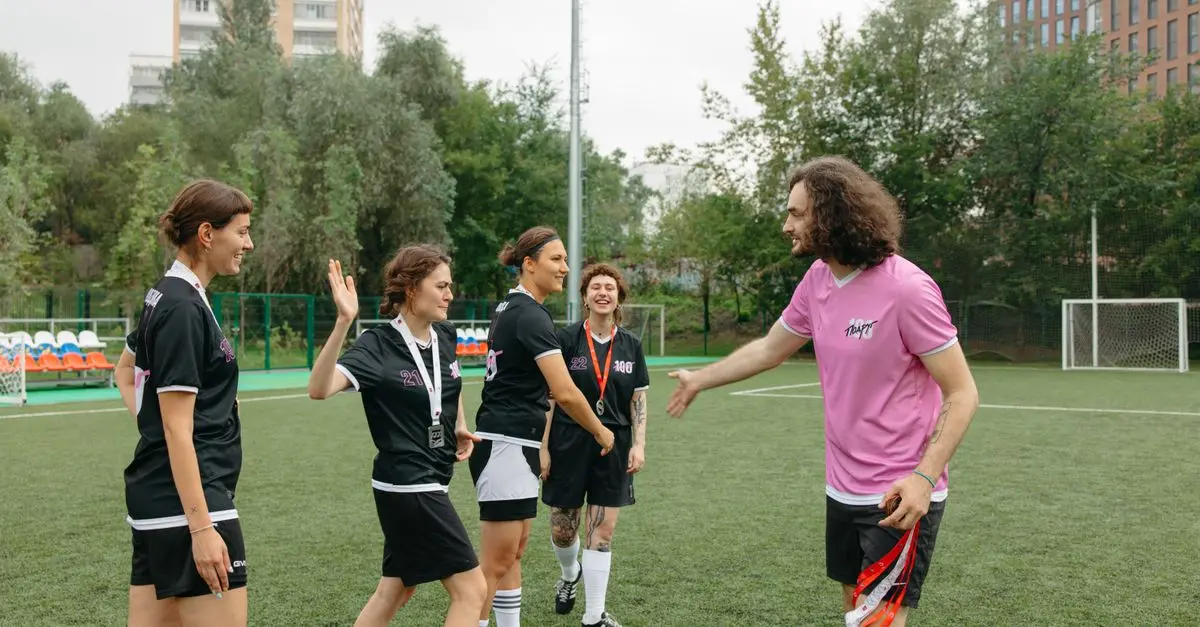
Creating a sense of unity among team members significantly impacts performance. Teams that share a strong bond often demonstrate enhanced teamwork and collaboration. According to a study by the American Psychological Association, groups with high cohesion can exhibit up to a 20% increase in performance metrics. Activities such as team-building exercises, group outings, and collaborative training sessions can help build trust and camaraderie.
2. Establish Clear Roles and Responsibilities
For a team to function optimally, each member must understand their specific role. This clarity reduces confusion and fosters accountability. Teams that clearly define roles see a more organized effort towards achieving their goals. For instance, a soccer team may assign specific responsibilities to attackers, defenders, and goalkeepers, ensuring everyone knows their objectives on the field. A clear structure allows teams to synergize effectively, increasing their chances of success.
3. Enhance Communication Skills
Effective communication is the cornerstone of any successful team. Establishing open lines of communication allows for feedback and constructive criticism, essential for individual and team growth. Incorporating regular feedback sessions can help team members express their concerns and suggestions. Research shows that teams with higher communication skills have better coordination and higher performance rates. Implementing strategies such as active listening and regular check-ins can radically improve team dynamics.
4. Implement Strategic Training Regimes
A structured training regimen tailored to the team's specific needs can enhance performance. Utilizing periodization in training programs, where intensity and volume are varied, can lead to improved physical condition and skill development. For example, pre-season training focusing on endurance followed by in-season training concentrating on agility and strength can help athletes peak at the right time. According to the National Strength and Conditioning Association, teams that adopt strategic training regimes report greater success on the field.
5. Encourage a Growth Mindset
A growth mindset, where team members view challenges as opportunities for development, encourages resilience and persistence. Teams that cultivate this mindset are better equipped to handle setbacks, leading to improved performance over time. Coaches play a crucial role in modeling this behavior by emphasizing effort over results. A 2026 study indicated that teams embracing a growth mindset increased their performance through enhanced motivation and adaptability.
6. Utilize Data Analytics
In the modern sports landscape, leveraging data analytics for performance improvement is crucial. Coaches can identify patterns in gameplay, monitor player performance, and make informed decisions. Technologies such as player tracking systems give coaches valuable insights into performance metrics. Notably, teams using data analytics reported a 15% improvement in win rates compared to those relying on traditional methods.
7. Develop Psychological Resilience
Mental toughness is vital for success in high-pressure situations. Applying sports psychology techniques can help players manage stress and maintain focus. Regular workshops on visualization, mindfulness, and coping strategies can significantly enhance a team's psychological resilience. Research from the International Society of Sports Psychology shows that teams training in psychological resilience experience fewer performance drops during critical moments in games.
8. Resource Sharing and Support
Creating an environment that encourages resource sharing among team members can enhance collective knowledge and skills. Whether sharing training techniques, strategies, or advice on recovery, a well-supported team is likely to thrive. Encouraging mentorship within the team can foster a culture of support, driving performance levels higher than in isolated settings. Teams that emphasize collective growth often perform better on and off the field.
9. Focus on Nutrition and Recovery
The role of nutrition and recovery in team sports should not be underestimated. Proper diet and recovery strategies contribute significantly to athletic performance. Teams that invest in nutrition guidelines and recovery protocols (such as physiotherapy and rest strategies) see improvements in endurance and reduced injury rates. A study by the Journal of Sports Sciences highlighted that teams that prioritized nutrition and recovery enjoyed a significant reduction in injury-related absences.
10. Cultivate Leadership
Encouraging leadership within the team, irrespective of official titles, can foster initiative and accountability. Team members taking on leadership roles can enhance motivation and team spirit. A 2026 survey revealed that teams with shared leadership models cultivated a stronger sense of ownership over their performance, leading to 30% higher engagement levels. Coaches should facilitate opportunities for all players to lead discussions, share insights during practice, and contribute to strategy formulation.
Conclusion
In summary, implementing these strategies not only enhances team sports success but also provides a solid foundation for fostering a positive team culture. Each element contributes to developing a cohesive and high-performing team. By focusing on these areas, teams can navigate challenges more effectively and perform better in competitions.
Checklist
- [ ] Foster team cohesion through team-building activities
- [ ] Establish clear roles for all team members
- [ ] Enhance communication skills within the team
- [ ] Implement strategic training regimes
- [ ] Encourage a growth mindset among team members
- [ ] Utilize data analytics for performance improvement
- [ ] Develop psychological resilience through mental training
- [ ] Promote resource sharing and support
- [ ] Focus on proper nutrition and recovery strategies
- [ ] Cultivate leadership among team members
Glossary
| Terme | Définition |
|---|---|
| Team Cohesion | Unity and mutual support among team members contributing to their collective performance. |
| Growth Mindset | The belief that abilities can be developed through dedication and hard work. |
| Data Analytics | The process of examining data sets to draw conclusions about the information they contain to improve decision-making and performance. |
> 📺 For further insights: Explore comprehensive techniques for fostering team dynamics in sports. Search on YouTube:
team building strategies in professional sports 2026.
📺 Pour aller plus loin : team building strategies in professional sports 2026 sur YouTube
Recommended products
Selected by our experts

TETON Sports - Celsius XXL 0 Degree Right Zipper Sleeping Bag for Camping - Gray
bestbuy.com
Plus Size Women's Glamorise MagicLift Seamless Sports Wirefree Bra 1006 (Women's & Women's Plus) by Glamorise in Cafe (Size 48 G)
roamans.com
Plus Size Women's Full Figure Plus Size Custom Control Sports Bra Wirefree #1166 Bra by Glamorise in White (Size 42 D)
roamans.com
Inspired Finds Monster TWS Wireless Bluetooth Earbuds HD Stereo Sound Sports In Ear Headphones With Charging Case & LCD Touch Display 2 Pcs Touch
inspireuplift.com
Augusta Sportswear 4388 Women's Medalist 2.0 Pullover T-Shirt in Kelly/White size Small Polyester
shirtspace.com